

Pentagon may be hiding full Iran war reality from Trump: US media
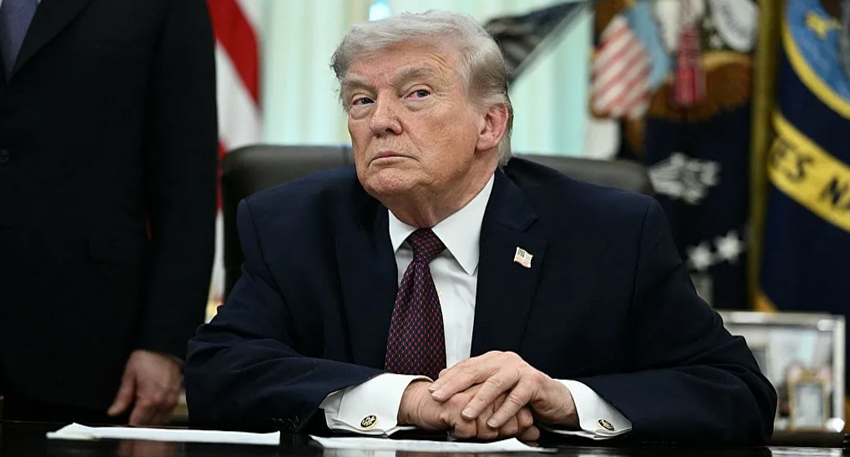
A new American media report has claimed that the Pentagon may not be presenting Donald Trump with the complete reality of the ongoing tensions and potential conflict involving Iran, sparking concerns inside the US administration over military assessments and strategic risks.
According to the report published by a leading US magazine, two senior government officials revealed that US Vice President JD Vance privately questioned how accurate and comprehensive the Pentagon’s information about the Iran conflict actually is.
The report suggests that internal concerns are growing within the White House regarding the true scale of Iran’s military capabilities and the risks associated with a possible wider regional war.
Concerns Raised Over US Missile Stockpiles and Iran’s Military Strength
According to intelligence assessments cited in the report, senior officials warned President Trump about declining US missile stockpiles amid escalating tensions in the Middle East.
The intelligence review reportedly concluded that Iran still retains nearly two-thirds of its air force capabilities despite recent military operations and sanctions pressure. Officials also warned that Tehran continues to possess significant missile-launching capabilities.
The revelations contradict narratives suggesting Iran’s military power has been severely weakened and indicate that the country may still be capable of launching large-scale retaliatory attacks if conflict intensifies.
Also Read: US official claims Trump unhappy with Iran’s new proposal
Strait of Hormuz Threats Highlighted in Intelligence Briefings
The report further revealed that Iranian fast-attack boats could pose a serious threat in the strategically critical Strait of Hormuz.
According to the intelligence findings:
- Small high-speed Iranian boats are reportedly capable of laying naval mines
- Commercial and military ships passing through the Strait of Hormuz could become targets
- Iran may still possess strong maritime disruption capabilities despite recent setbacks
The Strait of Hormuz remains one of the world’s most important oil shipping routes, making any military escalation in the region a major concern for global energy markets.
Report Claims Half of Iran’s Missile Launchers Reactivated After Ceasefire
The American publication also reported that approximately 50 percent of Iran’s missile launchers became operational again after a temporary ceasefire period.
Military analysts cited in the report warned that this development demonstrates Iran’s ability to quickly restore parts of its strategic infrastructure despite military pressure.
The findings have reportedly intensified debates inside Washington over whether current military assessments presented to President Trump fully reflect realities on the ground.
Pentagon Accused of Telling Trump What He Wants to Hear
One of the most explosive claims in the report involves criticism of senior US defense officials and their communication style with President Trump.
According to the publication, the US defense secretary reportedly understands “how to speak to Trump” and may be attempting to present information in a way that aligns with what the president prefers to hear.
The report warned that filtering military intelligence or softening battlefield realities for political comfort could become “dangerous” during a high-risk geopolitical crisis involving Iran and the broader Middle East.
Rising Iran-US Tensions Continue to Alarm Global Observers
The latest revelations come amid growing fears of a wider confrontation between the United States and Iran, with regional security experts warning that any direct military clash could destabilize the entire Middle East.
Analysts say concerns over missile stockpiles, maritime threats, and intelligence transparency inside Washington could complicate future decision-making at the highest levels of the US government.
The Pentagon has not officially responded to the report at the time of publication.


