The latest round of US-Iran talks in Islamabad concluded after nearly 25 hours of continuous negotiations, with Iran confirming that while progress was made on several issues, key disagreements prevented a final agreement.
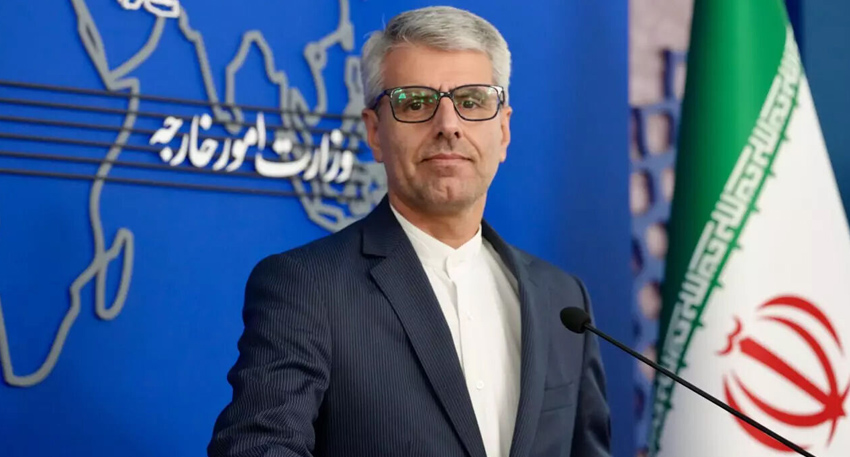
Iran’s Foreign Ministry spokesperson Esmaeil Baqaei said both sides “reached understanding on a number of issues,” but differences on two to three major points ultimately blocked a breakthrough.
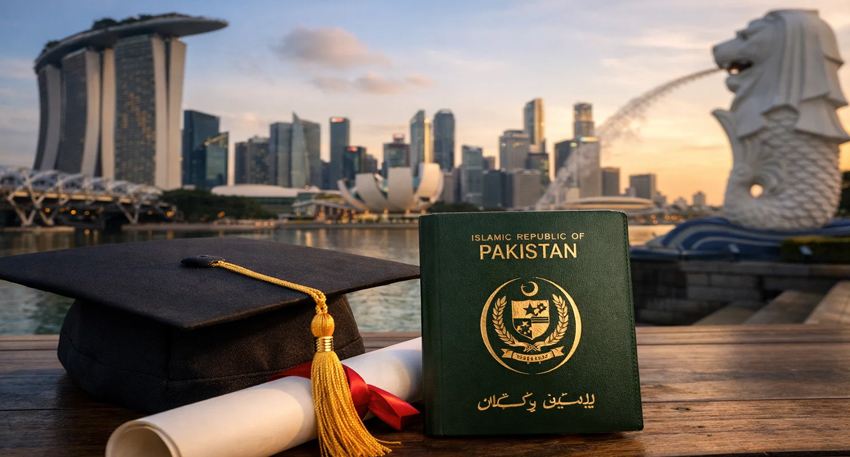
The high-level diplomatic engagement was facilitated by Pakistan, which hosted and mediated indirect discussions between Washington and Tehran.
Pakistan’s Mediation Keeps US-Iran Dialogue Alive
The Pakistan mediation role in US-Iran negotiations proved crucial in maintaining uninterrupted communication between the two sides, with talks continuing through the night without pause.
According to Baqaei, negotiations began in the morning through indirect exchanges and continued via message-based communication, reflecting sustained engagement despite deep-rooted mistrust.
Pakistan’s role as a neutral facilitator ensured that dialogue channels remained open throughout the marathon session.
Also Read: US Iran talks: JD Vance says no agreement reached after 21 hours in Islamabad
Key Issues Discussed: Nuclear Program, Strait of Hormuz, Sanctions
The Iran-US negotiations in Islamabad covered a wide range of critical and sensitive issues, including Iran’s nuclear program, the Strait of Hormuz, war reparations, and the potential lifting of sanctions.
Talks also included elements of Iran’s proposed 10-point plan, along with concerns raised by the US side, indicating a broad and complex negotiation agenda.
Despite progress in some areas, Baqaei confirmed that disagreements on two to three key issues remained unresolved, ultimately preventing a final deal.
Talks Held Amid Mistrust After 40 Days of Conflict
Iran emphasized that the negotiations were held after 40 days of heightened tensions and in an atmosphere of mistrust and suspicion, making it unrealistic to expect a complete agreement in a single round.
Baqaei stated that no party had anticipated an immediate breakthrough, given the complexity of issues and the evolving nature of the discussions.
He also noted that new topics introduced during the talks further complicated the process, adding to the challenges faced by negotiators.
Future of US-Iran Talks and Ceasefire Efforts
Although no agreement was reached, Iran acknowledged that some progress was made and dialogue remains ongoing.
The US-Iran ceasefire discussions in Islamabad reflected cautious willingness from both sides to continue diplomatic engagement, even as major gaps persist.
Iran stressed that the success of future negotiations depends on seriousness, goodwill, and recognition of its legitimate interests, while avoiding unrealistic demands.
Diplomatic Significance of Islamabad Talks
The US-Iran talks in Islamabad are being viewed as one of the longest and most complex diplomatic engagements in recent months, highlighting both the challenges and importance of sustained dialogue.
Pakistan’s role in facilitating the talks has been widely recognized, reinforcing its position as a key player in regional diplomacy.
While a breakthrough remains elusive, continued engagement signals potential for future progress toward stability and peace.