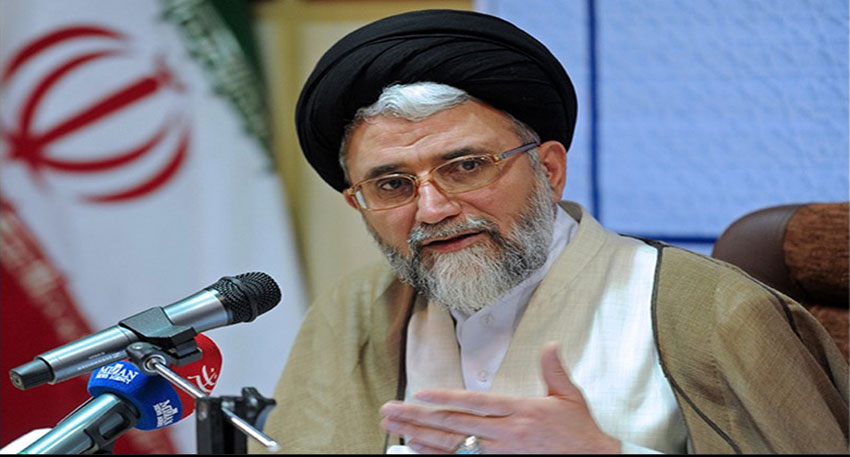
The Middle East crisis intensified on Wednesday as Israel claimed responsibility for the killing of Iran’s Intelligence Minister Esmaeil Khatib in an airstrike in Tehran, with Israeli Defense Minister Israel Katz warning that “significant surprises” are expected across multiple arenas. Katz said he and Prime Minister Benjamin Netanyahu have authorized the Israeli Defense Forces (IDF) to target senior Iranian figures without additional approval.
Earlier, Israel confirmed the killing of Iran’s security chief Ali Larijani and Gholamreza Soleimani, head of the Basij paramilitary force, in strikes that have sparked nationwide mourning and rallies in Iran. Crowds gathered in Tehran and other cities, while authorities emphasized resistance against what they called global and regional aggression.
The United States responded by targeting Iranian missile sites near the strategic Strait of Hormuz, a vital artery for one-fifth of the world’s oil supply. Several 5,000-pound bombs were used to hit fortified positions. US President Donald Trump insisted the US did not need international allies to protect shipping through the Strait.
Also Read: Government assures uninterrupted fuel supply with ample reserves
In Israel, two people were killed in missile strikes near Tel Aviv, while in Lebanon, at least 12 civilians were killed in Israeli airstrikes targeting Hezbollah positions near Beirut and Tyre. Over one million people have been displaced across Lebanon, with many sleeping in cars or temporary shelters due to ongoing attacks. Three Lebanese soldiers were also reported killed.
Regional tensions escalated as Saudi Arabia and Kuwait intercepted drones and rockets launched by Iran, while Qatar and the UAE reported similar missile threats. An Iranian projectile even struck near Australia’s Middle East military headquarters in the UAE, causing minor damage but no casualties.
Meanwhile, Iranian authorities executed a man accused of spying for Israel, marking the first such execution since the outbreak of the conflict. The UN nuclear watchdog confirmed a projectile hit Iran’s Bushehr nuclear plant, causing no damage.
US counterterrorism official Joseph Kent resigned in protest, claiming the war was initiated under Israeli pressure. NATO and Britain have largely refrained from assisting in the Strait of Hormuz operations, drawing criticism from President Trump.
As violence continues, the region faces heightened risks to civilian populations, energy markets, and international security, with Iran, Israel, the US, and regional actors on high alert amid the ongoing conflict.