

Iranian Rial weakens against PKR and USD amid market pressure
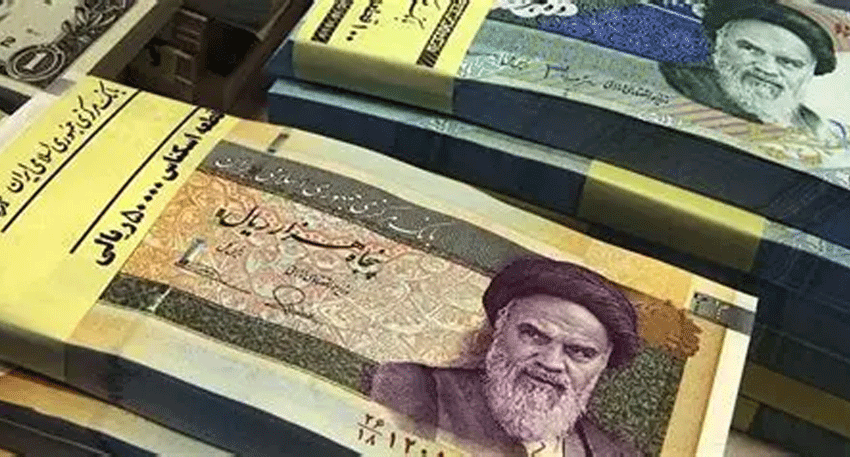
The Iranian rial lost more ground against both the Pakistani rupee and the US dollar in the latest exchange rates released by the Central Bank of Iran (CBI). The figures showed another decline in the currency’s official value compared with the previous trading session.
According to data reported by Trend News Agency, the official exchange rate for $1 reached 1,648,883 Iranian rials on September 15. This was higher than the previous day’s rate of 1,643,951 rials, meaning more rials were required to buy one US dollar.
A higher rial figure against the dollar indicates that the Iranian currency has weakened. The latest movement comes as financial markets continue to monitor economic and regional developments affecting Iran.
Iranian rial falls against Pakistani rupee
The Iranian rial also weakened against the Pakistani rupee in the latest CBI data. The central bank listed 100 Pakistani rupees at 594,753 Iranian rials on September 15, compared with 592,773 rials on September 14.
Based on the official rate, this equals approximately 5,947.53 Iranian rials for 1 Pakistani rupee. The change means that the Pakistani currency gained slightly against the rial in the latest official exchange-rate update.
The movement is relevant for people involved in cross-border trade, remittances and currency exchanges between Pakistan and Iran. However, official exchange rates may not reflect the prices available in informal currency markets.
The latest figures indicate that the rial’s official value remains under pressure. Currency movements can affect the cost of imports, overseas payments and the purchasing power of people holding the Iranian currency.
Official rates show mixed currency movements
The CBI’s latest exchange-rate data showed that the rial did not move in the same direction against all major currencies. While it weakened against the US dollar and Pakistani rupee, some other currencies recorded different movements.
The official euro rate stood at 1,904,297 rials, compared with 1,907,135 rials a day earlier. This indicates a slight strengthening of the rial against the euro based on the official rates.
The British pound was quoted at 2,224,822 rials, while the UAE dirham stood at 448,981 rials. The Saudi riyal was valued at 439,702 rials.
According to the CBI, the value of 32 currencies increased, while 13 currencies declined against the rial compared with September 14. These figures show that the rial’s performance varied across different currency markets.
Exchange-rate movements are influenced by several factors, including demand for foreign currency, international trade, monetary policy and market confidence. A single day’s change does not necessarily indicate a long-term trend, but repeated weakness can increase economic concerns.
Also Read:Saudi Arabia discover 110 million tons of rock containing uranium
Black-market rial remains significantly weaker
The official exchange rate tells only part of the story. On Iran’s black market, the rial remained considerably weaker against major foreign currencies.
According to the latest figures cited by Trend News Agency, $1 was trading at around 2.29 million to 2.32 million Iranian rials. The euro was reportedly being traded at approximately 2.65 million to 2.68 million rials.
The large difference between the official and black-market rates highlights the pressure facing Iran’s currency. It also shows that the value assigned by official exchange systems can differ sharply from rates available in informal markets.
The official CBI figures were released on September 15 and reflect the exchange rates used under Iran’s SANA currency-exchange system. The black-market figures, meanwhile, represent informal trading conditions rather than official central bank rates.
For businesses and consumers, such a gap can create uncertainty when calculating the cost of imports, goods and foreign transactions. It may also complicate efforts to assess the rial’s actual market value.
Regional tensions add to economic uncertainty
Currency markets are also being watched alongside developments in the Middle East. Oil prices rose on Tuesday as concerns about supply disruptions continued following attacks on Saudi Arabian energy infrastructure.
The attacks reportedly left the kingdom’s East-West pipeline offline and raised fresh questions about efforts to reduce shipping risks in the Gulf. Any prolonged disruption to energy infrastructure could affect oil supplies and increase volatility in global markets.
Brent crude futures rose $1.37, or 1.3%, to $107.05 a barrel at 0406 GMT. US West Texas Intermediate futures increased $1.53, or 1.51%, to $102.92 a barrel.
Both benchmarks had already gained more than 1% during the previous trading session. The rise reflected concerns that continued regional tensions could affect oil production, transportation and supply routes.
Iran-backed Houthi forces in Yemen reportedly launched fresh attacks on Saudi Arabia on Monday. Gulf Arab states also postponed planned discussions with Iran, adding to concerns that the regional conflict could widen.


