

Iran warns of strong response to US blockade as US-Iran tensions escalate
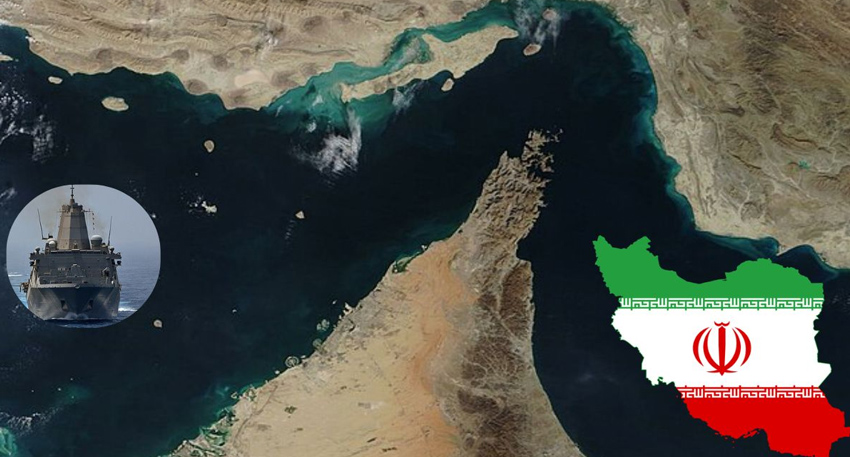
Iran has issued a strong warning to the United States over its blockade-related actions, stating that it will respond in a way the world will “remember for a long time.” The escalating standoff between Iran and the United States has raised serious concerns about regional stability and global trade routes.
Iranian officials described US measures in the Strait of Hormuz as a violation of international law and labeled them as acts resembling piracy, accusing Washington of interfering in global trade and unlawfully targeting Iranian assets.
Iran Calls US Actions Illegal and Warns of Countermeasures
Iranian authorities stated that the country reserves the right to respond firmly to what it considers illegal economic and maritime pressure. According to officials, responsibility for rising tensions in the region lies entirely with the United States.
They further warned that any continued restrictions or blockade measures would trigger a “decisive response” aimed at protecting national interests and sovereignty.
Iranian Military on High Alert Amid Rising Tensions
The Iranian military has also adopted a firm stance, confirming that defense preparedness is ongoing and potential target lists are being continuously updated.
Military officials said that although a temporary ceasefire understanding has been discussed in the past, Iran does not consider the current situation as permanent peace and remains fully prepared for any escalation.
Also Read: US Iran tensions: Trump calls Iran blockade genius strategy
US Rejects Iran Proposal, Maintains Pressure Strategy
On the other side, the US administration has reportedly rejected recent Iranian proposals aimed at easing tensions. The US position remains that sanctions and blockade measures will continue until a formal agreement is reached.
This decision has further intensified diplomatic strain between the two countries, increasing fears of a broader regional confrontation.
Reports of Possible US Military Action Plans
According to media reports, the US military has developed contingency plans involving short but targeted strikes against Iran. These potential operations could focus on critical infrastructure sites in order to increase pressure on Tehran and push it back to negotiations.
However, such developments remain unconfirmed at the official level and are being closely monitored by global security analysts.
Global Impact and Oil Market Concerns
Experts warn that any further escalation between Iran and the United States could have serious consequences beyond the Middle East. Disruption in the Strait of Hormuz, through which a significant portion of global oil trade passes, could trigger volatility in energy markets.
Countries dependent on oil imports, including Pakistan, could face indirect impacts such as rising fuel prices, inflationary pressure, and economic uncertainty if tensions continue to escalate.
Analysts Urge Diplomatic Restraint
International relations experts emphasize the need for diplomatic engagement to prevent further deterioration. They warn that continued escalation could destabilize not only the Gulf region but also global trade and energy security.


