
Iran sets conditions for Strait of Hormuz reopening
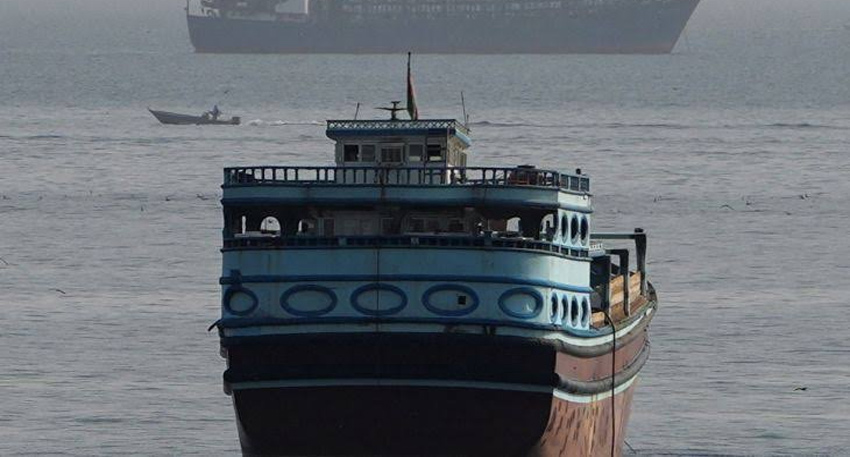
Iran sets conditions for reopening
Iran has presented a list of demands to the United States before agreeing to the Strait of Hormuz reopening.
Iranian Parliament Speaker and chief negotiator Mohammad Bagher Ghalibaf reportedly handed the demands to the US side.
According to a US broadcaster, Iran wants the terms of the Islamabad Memorandum of Understanding to be fully implemented.
The memorandum expired a day earlier. Its expiry has added uncertainty to the discussions between Tehran and Washington.
The latest Iran demands could now make the negotiations more difficult.
What does Iran want?
The memorandum included several commitments by both countries.
Under the understanding, the US and Iran had agreed to stop military operations on different fronts, including Lebanon. Iran had also agreed to give up its right to acquire or develop nuclear weapons.
The agreement also included an important condition linked to the Strait of Hormuz. The United States was expected to end its naval blockade of Iran, while Iran agreed to keep the waterway open.
Read Also: Trump warns Oman could face heavy bombing over Strait of Hormuz
Iran also wants US economic sanctions removed and a reconstruction programme launched for the country.
The agreement further included plans to restore Iranian funds that had been frozen.
These issues are now part of the latest Iran demands. Tehran appears to want the commitments implemented before moving ahead with the Strait of Hormuz reopening.
Why the Strait matters
The Strait of Hormuz is one of the most important routes for global oil transportation.
A large amount of energy supplies moves through the waterway. Any disruption can therefore affect international energy markets.
The Strait of Hormuz reopening has become an important issue because prolonged restrictions could create uncertainty for oil supplies.
The situation could also influence energy prices if shipping through the route remains disrupted.
For this reason, the latest Iran US tensions are being closely watched by governments, traders and energy markets around the world.
Read Also:Russian strike kills 10 in Ukraine’s Kharkiv region
What could happen next?
The next major development will depend on Washington’s response to the Iranian conditions.
If the US accepts the demands, talks could move towards the Strait of Hormuz reopening. However, disagreements over sanctions, military operations and Iran’s nuclear programme could make an agreement difficult.
The Iran demands show that reopening the waterway is linked to much wider political and security issues.