

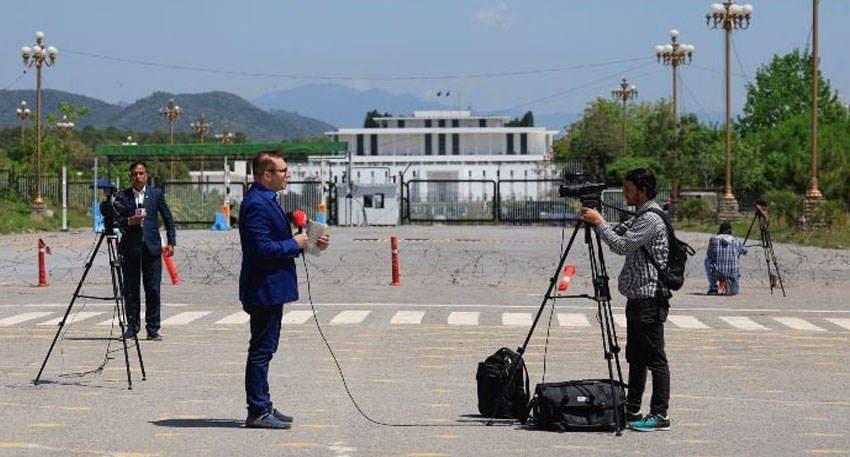
High-level negotiations between the United States and Iran have officially begun in Islamabad, with global attention fixed on whether the talks can turn a fragile ceasefire into a lasting peace framework.
Hosted by Pakistan, the talks are part of ongoing efforts to stabilise tensions following weeks of conflict. The negotiations are structured around two competing proposals — a 10-point plan from Iran and a broader 15-point framework from the United States — highlighting deep divisions despite willingness to engage.
At the core of discussions is Iran’s nuclear programme. Washington is demanding strict limits on uranium enrichment, full transparency, and intrusive monitoring by the International Atomic Energy Agency to ensure Tehran does not develop nuclear weapons. Iran, however, insists on its sovereign right to continue peaceful nuclear activities, including enrichment.
Sanctions relief remains another major sticking point. Iran is pushing for the immediate lifting of all US and international sanctions and access to frozen assets. In contrast, the US prefers a phased approach tied to verified compliance.
Control of the strategic Strait of Hormuz is also under intense debate. Iran seeks recognition of its authority over the vital passage, while the US insists on unrestricted global shipping due to its importance for energy supplies.
Also Read: Sui gas supply suspended for 24 hours for industrial users
Regional influence adds further complexity. The US wants Iran to end support for allied armed groups, while Iran demands de-escalation and withdrawal of US forces from the region.
With a two-week ceasefire deadline approaching, officials expect gradual progress through confidence-building measures rather than an immediate breakthrough.
Analysts say even limited progress could lead to an extension of the ceasefire, keeping diplomacy alive despite deep-rooted differences.