

COP31 climate talks in Turkiye hit deadlock over fossil fuel dispute
COP31 climate talks, climate deal collapse, Turkiye climate summit, global warming, fossil fuel dispute, United Nations climate talks, Saudi Arabia oil producers, European Union climate policy, 1.5 degrees Celsius, carbon removal technology
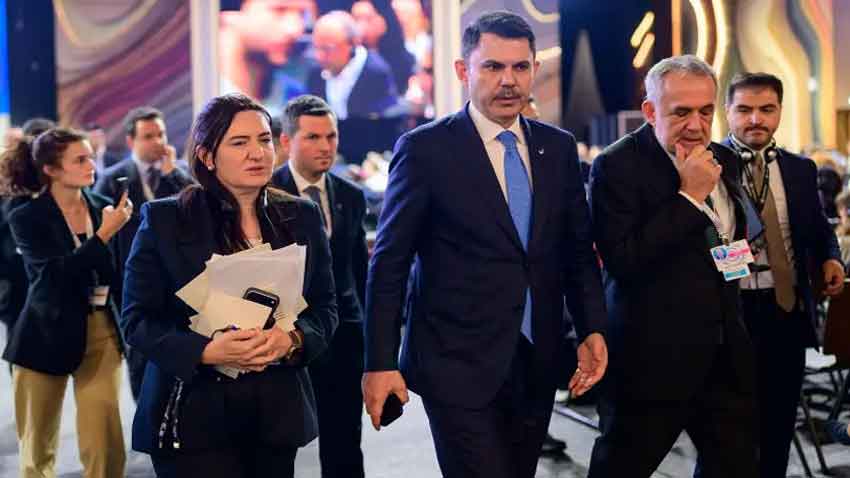
Summit president Murat Kurum announced that no new draft agreement would be prepared because countries could not reach a common position. Several nations and negotiating groups had already rejected the proposed document.
Countries reject final climate deal
The climate talks faced serious problems on Sunday after the European Union and several other countries rejected the final draft presented by the presidents of COP31, Turkiye and Australia. They argued that the proposed agreement was too weak to address the growing threat of global warming.
The negotiations had continued for more than two weeks and were originally scheduled to end on Friday. However, disagreements over the final agreement extended the talks into the weekend.
Speaking at the closing meeting, Kurum said the countries had failed to reach a common position. “There will be no new text from now on. We will not be carrying out work on a new text in an environment where there is no consensus,” he said.
He also confirmed that the proposed decisions had not been approved. “It is clear that there are parties in this hall who oppose this text. We recognise that there is no consensus on this document. Therefore, these decisions have not been adopted,” he said.
The last time United Nations climate talks failed to produce an agreement accepted by all countries was in Copenhagen in 2009. The latest setback comes at a time when wars and rising living costs are also taking attention away from climate change.
EU and Panama oppose proposed agreement
Ireland’s Environment Minister Darragh O’Brien said the European Union could not support the proposed agreement. One of the main concerns was that the draft did not mention fossil fuels, which scientists identify as a major cause of global warming.
O’Brien criticised the absence of any clear reference to reducing the use of fossil fuels. “It is unconscionable that we would have a climate act that makes no reference to fossil fuel, no reference to transitioning away from fossil fuels,” he said.
Panama also rejected the proposed document because it did not match the seriousness and scale of the climate crisis. These objections added to the growing disagreement among countries taking part in the negotiations.
This year's summit is taking place after the United Nations environmental body warned in October that global temperatures were likely to rise beyond 1.5 degrees Celsius. Countries had agreed at the Paris climate talks more than a decade ago to try to keep global warming below this level.
Saudi Arabia and oil producers face criticism
Saudi Arabia and other major oil-producing countries reportedly pushed during the negotiations to keep direct references to fossil fuels out of the final agreement. They also supported including greater attention to technologies that remove carbon dioxide from the atmosphere.
The proposed deal recognised that global warming could exceed the 1.5-degree Celsius limit. However, it called for faster development of carbon-removal technologies to help bring temperatures back down over time.
Scientists say carbon removal can help fight climate change when it is combined with major cuts in greenhouse gas emissions. However, critics feared that the proposed language could allow oil-producing countries to continue extracting and selling fossil fuels instead of reducing their use.
A representative of the Saudi delegation said he was surprised by the opposition to technology-based solutions. “If indeed the climate challenge, as some have mentioned today, is so important, it makes no sense that solutions, concrete solutions… will be taken off the table,” he said.
Climate negotiations face major setback
The COP process is the main international platform where countries work together to reduce global warming. Its annual meetings also help nations discuss financial support for countries facing the effects of rising temperatures.
The failure to reach a political agreement in Antalya is a setback for international climate efforts. However, it does not cancel commitments made at previous climate summits or remove existing legal and technical arrangements for cooperation.
Countries will still have to follow their earlier climate commitments despite the failure of the latest negotiations. The lack of a new agreement, however, raises questions about how quickly governments can take further action.
The failure of COP31 talks shows how difficult it has become for countries to agree on common climate policies. Differences over fossil fuels and carbon-removal technology have created a major gap between the positions of participating nations.
The absence of a final deal could slow efforts to strengthen global climate action. Countries will need to find common ground if they want to reduce pollution and limit the damage caused by rising temperatures.
Also read: Pakistani citizen critically injured in alleged Iranian attacks on Bahrain


