
Why are India students secretly travelling to join Jantar Mantar protest?
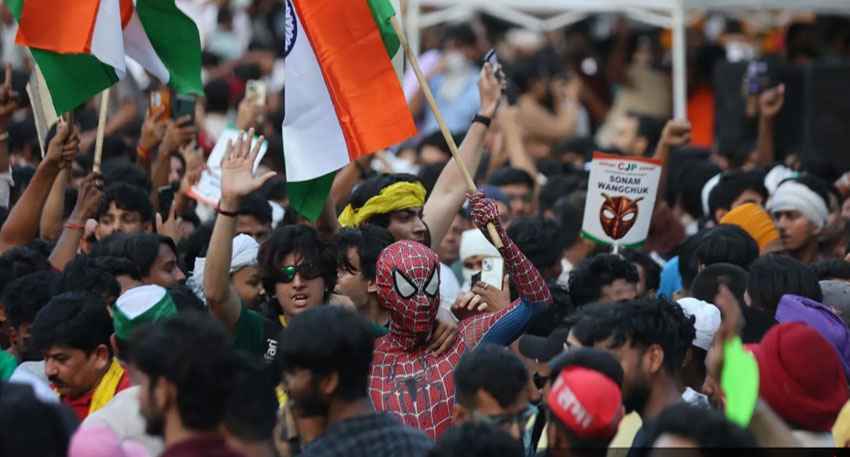
The protest has become a gathering point for students who say they are fighting for the future of India’s education system. Many have travelled hundreds of kilometres while hiding their plans from their families to avoid opposition.
Seventeen-year-old Yash Kumar said his parents believe he is still studying in Kota. However, he secretly travelled to Delhi to join the protest demanding the resignation of Union Education Minister Dharmendra Pradhan over the NEET paper leak controversy.
Another student, 16-year-old Meena, told her grandparents that she was travelling to Delhi for a friend’s birthday. Instead, she joined the protest because she fears future examination irregularities could affect students like her who plan to take NEET in the coming years.
Many students say they are no longer willing to stay silent over repeated examination controversies. They believe years of hard work should not be affected by mistakes in the education system.
Behind the main protest stage, several students have been living in temporary tents despite rain and difficult weather conditions. Some protesters have remained at the site for days, receiving support from volunteers and nearby community organisations.
One student said he stayed at the protest site until police action forced him to seek temporary shelter elsewhere. Despite the challenges, he said the experience helped him build strong friendships with fellow protesters who share the same concerns.
The demonstration began in late June with an indefinite hunger strike by climate activist Sonam Wangchuk and members of the All India Students’ Association. As the movement expanded, it received support from student groups, civil society organisations and several political parties.
Also read: Salman Khan backs student protest, says paper leak 'a very serious issue'
A recent march towards Parliament ended in clashes between protesters and Delhi Police. Protesters alleged they were lathi-charged and detained, while police denied using excessive force.
The protest continues at Jantar Mantar as students say their movement is no longer only about one examination. They insist it represents a broader demand for transparency, accountability and fairness in India’s education system.
The protest shows that many students believe education reforms are essential for their future. Whether the movement leads to policy changes remains uncertain, but it has brought national attention to concerns about examination transparency and accountability.