
Rahul Gandhi detained as PM Modi urged to resign over student protests
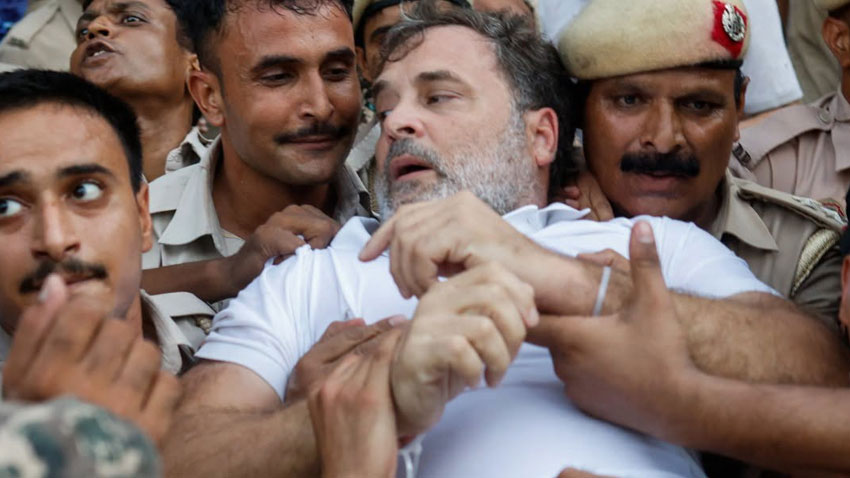
Indian opposition leader Rahul Gandhi was detained by Delhi Police on Tuesday while leading a protest march towards Prime Minister Narendra Modi’s residence. His sister and Congress lawmaker Priyanka Gandhi, along with Samajwadi Party chief Akhilesh Yadav, were also taken into custody during the demonstration.
Rahul Gandhi, who is also the leader of the Indian National Congress, accused the government of using force against students protesting for education reforms. He demanded that Prime Minister Narendra Modi resign over the police action.
In a social media post, Gandhi said Modi must resign “for destroying the future of India’s youth”. He also claimed the government was avoiding responsibility and refusing to allow a proper debate on the issue in Parliament.
The protests followed violent clashes between demonstrators and security forces in central New Delhi. According to police, 60 protesters and 118 police personnel were injured during Monday’s unrest.
Thousands of people gathered to demand the resignation of Education Minister Dharmendra Pradhan. The protests were organised after an online appeal by the Cockroach Janta Party (CJP), a movement that has gained millions of followers on social media since its launch in May.
Police used tear gas and batons to disperse the crowd after protesters allegedly threw stones at security personnel. The clashes marked one of the largest street demonstrations in New Delhi in nearly five years.
Also read: Trump rules out Netanyahu arrest in the US, rebuffing Mamdani
The CJP said it would continue its campaign until the education minister is removed from office. Hundreds of protesters remained at Delhi’s Jantar Mantar protest site, demanding wider reforms in India’s education system.
“We won't stop. Pradhan has to be sacked,” CJP spokesman Ashutosh Ranka said on social media. CJP founder Abhijeet Dipke also urged supporters to continue their movement, saying, “They want to break our spirit,” and “Do not let them silence you.”
Although the crowd was smaller than the previous day, protesters vowed to continue their demonstrations. The movement has emerged as one of the biggest public challenges to Prime Minister Modi since he began his third term in 2024.
The protests come at a time when many young people in India are struggling to find stable and well-paying jobs despite the country’s economic growth. The issue has increased public frustration and added pressure on the government to address education and employment concerns.
The protests have turned into a major political challenge for the Indian government. If the demonstrations continue, pressure for dialogue and reforms could increase while political tensions remain high.