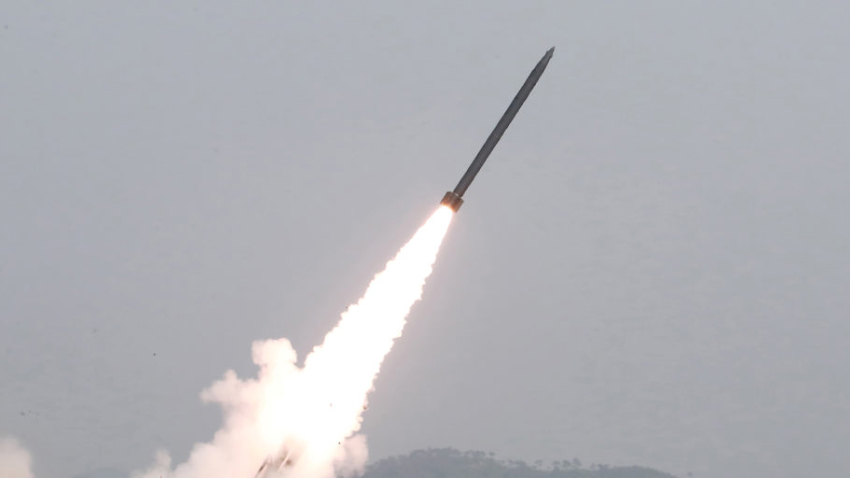
Israel has reported detecting a missile launched from Yemen, marking the first such incident since the Iran war began. The development comes as tensions continue to rise across the region, with multiple countries on alert.
At the same time, US Secretary of State Marco Rubio said that military operations are expected to conclude within weeks, not months, suggesting progress but no clear end to the conflict yet.
The war, which began a month ago after joint US-Israel strikes on Iran, has now spread across the Middle East. It has led to thousands of deaths and caused major disruptions to global energy supplies, raising inflation concerns worldwide.
Israel also said it continued strikes on targets in Iran’s capital while confirming the detection of a missile fired from Yemen. This indicates that the conflict is no longer limited to a single front.
Yemen’s Houthi group had earlier warned that it could act if escalation against Iran and its allies continued. However, the group did not clarify what kind of action it might take. Experts warn that if the Houthis become directly involved, the conflict could expand further. Their ability to strike over long distances and disrupt key shipping routes in the Red Sea and the Arabian Peninsula adds to the risk.
Rubio told reporters that the US is on or ahead of schedule in its operations and expects to conclude them within weeks. He also suggested that ground troops may not be necessary, although some forces are being deployed to maintain flexibility.
Must Read: Strait of Hormuz shut again , Iran warning forces oil tankers to turn back
Meanwhile, tensions have also affected global markets. Oil prices have surged, with Brent crude rising sharply, while stock markets have declined due to uncertainty over the ongoing war. In the United States, rising fuel prices have added political pressure, especially in regions like California, where diesel prices have reached record highs.
Former US President Donald Trump has expressed interest in ending the conflict through negotiations, although Iran has denied any direct talks. He has also extended deadlines related to key strategic routes such as the Strait of Hormuz.
Across the region, missile and drone attacks have continued. Reports indicate strikes and counterstrikes involving Iran, Israel, Saudi Arabia, the UAE, and Bahrain, causing injuries and damage in multiple locations.
The situation remains highly unstable, with ongoing military activity and diplomatic uncertainty raising concerns about a prolonged and wider regional war.