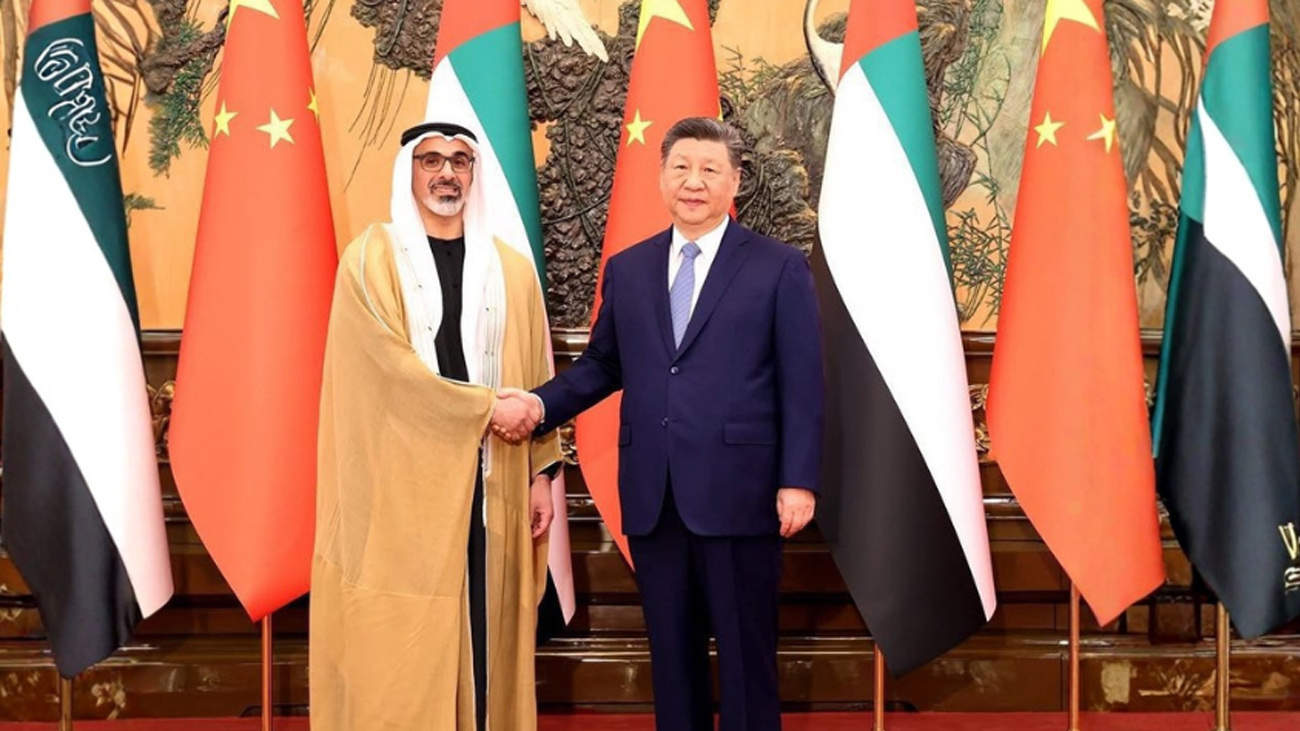
Chinese President Xi Jinping presented a four-point proposal aimed at promoting peace and long-term stability in the Middle East during a meeting with UAE President Sheikh Mohammed bin Zayed Al Nahyan in Beijing.
President Xi emphasized the importance of peaceful coexistence among countries and called for building a “common, comprehensive, cooperative and sustainable” security system for the Middle East and the Gulf region.
His remarks come at a time when regional tensions remain high following the war between the United States and Iran that began on February 28. The conflict escalated quickly as Washington, along with Israel, launched large-scale military strikes against Iranian targets.
Also Read: China calls US blockade of Iran ports 'dangerous and irresponsible'
Within a few days, more than 5,000 targets were reportedly hit across Iran, including military bases, missile facilities, and naval assets. Analysts say the scale of the attacks raised serious concerns about wider instability in the Middle East.
During the meeting, President Xi stressed that all countries must respect national sovereignty. He said the sovereignty, security, and territorial integrity of Middle Eastern states should be fully protected.
He also highlighted the importance of international law, warning that the global order must not fall back into what he called the “law of the jungle.”
President Xi further said development and security must go hand in hand. He urged regional countries to work together to create a peaceful environment that allows economic growth and stability.
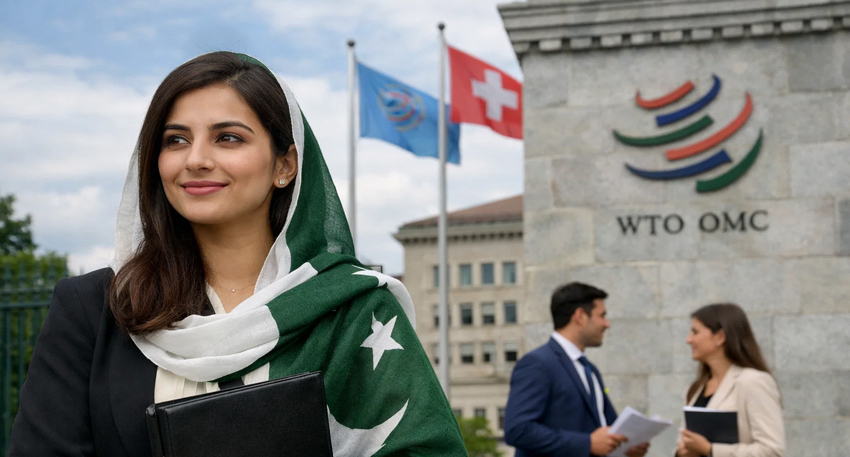
Meanwhile, diplomatic efforts continue after a fragile ceasefire was reached between the United States and Iran on April 10. The temporary truce was brokered by Pakistan following weeks of intense fighting.
The ceasefire created a two-week pause in military operations and opened the door for negotiations. However, major disagreements between the two sides remain unresolved.
China has cautiously supported diplomatic efforts. Chinese Foreign Minister Wang Yi described the current situation as offering a “glimmer of hope” and urged all sides to continue dialogue to prevent wider conflict.
Meanwhile, US President Donald Trump sent mixed signals about negotiations. He initially suggested Iran might return to the table, but later said he did not mind if Tehran refused to continue talks.
Also Read: Italy suspends defense cooperation agreement with Israel
Economic tensions also rose in the region after the United States announced a naval blockade targeting vessels entering or leaving Iranian ports. Despite the restrictions, several tankers linked to Iran reportedly passed through the Strait of Hormuz because they were not heading to Iranian ports.
China criticized the blockade, calling it “dangerous and irresponsible” and warning that such actions could further increase tensions in the region.
In Europe, British Finance Minister Rachel Reeves also criticized the US war strategy. She said she felt “very frustrated and angry” that Washington entered the conflict without a clear plan or objective.
Global leaders now fear that ongoing tensions in the Strait of Hormuz could disrupt energy supplies and trigger broader economic problems worldwide.