

7.7-magnitude Indonesia earthquake leaves 20 dead, many trapped
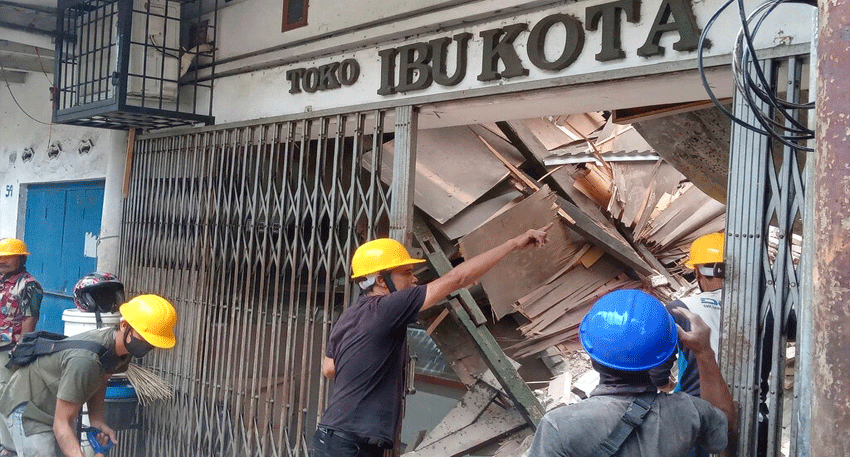
Rescue teams were searching damaged buildings and rubble for survivors as authorities assessed the scale of the destruction. Officials said six people were injured, while two others were believed to remain trapped under debris.
The earthquake measured 7.7 in magnitude and struck off the northern coast of Flores. The epicentre was located about 68 kilometres northwest of the coastal town of Ende, according to US and Indonesian authorities.
Nagekeo regency was among the hardest-hit areas because it was close to the epicentre. Roads were also affected by landslides, making it more difficult for rescue teams to reach some communities.
Residents rush to higher ground
Residents in areas near the epicentre rushed toward higher ground after the sea appeared to retreat following the earthquake.
The unusual change in sea level raised fears that a tsunami could follow the powerful undersea tremor. Indonesia’s Meteorology, Climatology, and Geophysics Agency issued a tsunami warning and urged people to move away from coastal areas.
Large numbers of residents left their homes on foot, on motorcycles, and in vehicles. Some people were seen travelling in the back of pickup trucks as families tried to reach safer locations.
The tsunami warning was later lifted, but authorities continued monitoring sea levels. Officials also warned residents to avoid damaged buildings because strong aftershocks could cause further collapses.
Dozens of aftershocks were reported following the main earthquake. The strongest aftershock recorded so far had a magnitude of 6.1.
Rescue teams search through rubble
Rescue officials said the death toll had reached at least 20 across four towns on Flores island. The island is known for its tourist attractions and is home to many small towns and villages.
Rescue teams were working to locate people trapped beneath collapsed structures. Officials said two people were rescued alive from the debris, while another victim was found dead.
Fathur Rahman, a rescue official, said the operation was being complicated by landslides and blocked roads. Teams were continuing to move toward the worst-affected areas as more information became available.
The full extent of the damage remained unclear as rescue workers continued their initial assessment. Authorities were also checking buildings, roads and other infrastructure for damage.
Residents describe the powerful shaking
Residents described scenes of panic when the earthquake struck.
Yohanes Babo, a 56-year-old resident of Nagekeo, said he was at a market when the ground began shaking strongly.
“The shaking was strong. Thankfully, we were already outside the house,” he told AFP. He said many people were frightened and rushed toward the hills for safety.
Another resident, Lukas Lotar from Maumere, said the ground suddenly began to move, causing panic. He said patients fled a hospital and some walls were visibly cracked.
The affected region has relatively few high-rise buildings. However, damage to smaller buildings and infrastructure created serious challenges for residents and emergency teams.
Also Read:Trump threatens to declare Strait of Hormuz US territory
Why Indonesia faces frequent earthquakes
Indonesia is one of the world’s most earthquake-prone countries because it lies along the Pacific “Ring of Fire”.
The region contains several active tectonic boundaries where earthquakes and volcanic activity occur frequently. Strong underwater earthquakes can also create tsunami risks for coastal communities.
Flores has experienced major earthquakes before. A powerful 7.7-magnitude earthquake struck the island in 1992 and triggered a tsunami that killed around 2,500 people.
Indonesia was also severely affected by the Indian Ocean earthquake and tsunami in 2004. The 9.1-magnitude earthquake off Sumatra triggered waves that killed around 220,000 people across the region, including about 170,000 in Indonesia.
More recently, an earthquake in Lombok in 2018 killed more than 550 people. Another major earthquake and tsunami struck Palu on Sulawesi later that year, leaving more than 4,300 people dead or missing.
Authorities continue monitoring the situation
Officials are now focused on rescue operations, damage assessments and monitoring further seismic activity.
Although the tsunami warning has ended, authorities are continuing to watch sea levels and advise residents to remain cautious around damaged structures.
The immediate priority is finding people who may still be trapped and providing assistance to communities affected by the earthquake. Further assessments are expected to provide a clearer picture of the overall damage.