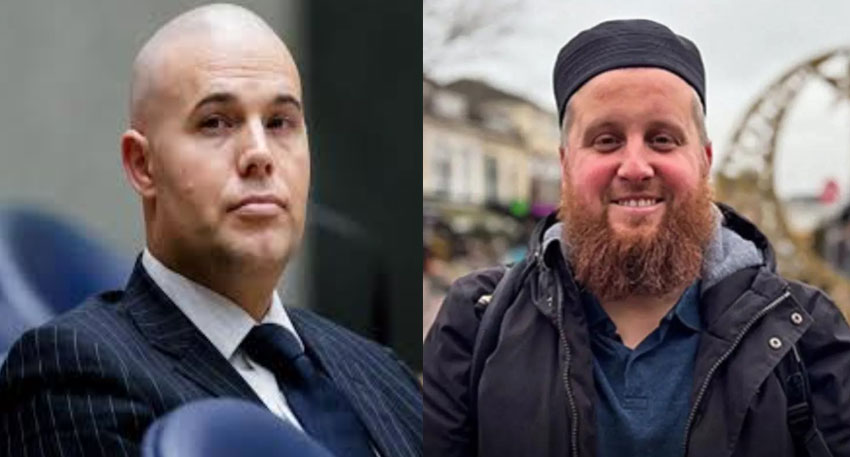
Investigative journalist and New York Times reporter John Carreyrou has filed a lawsuit against several leading artificial intelligence companies, accusing them of using copyrighted books without permission to train their chatbot systems.
The lawsuit, filed in a California federal court on Monday, names OpenAI, Google, xAI, Anthropic, Meta Platforms, and Perplexity as defendants. Carreyrou, author of the best-selling book Bad Blood, brought the case alongside five other writers.
According to the complaint, the companies unlawfully pirated copyrighted books and fed them into large language models (LLMs) that power popular AI chatbots. The lawsuit marks the first time Elon Musk’s AI venture, xAI, has been named as a defendant in an AI copyright dispute.
Unlike other ongoing cases, the plaintiffs have chosen not to pursue a class-action lawsuit. They argue that class actions often benefit defendants by allowing them to negotiate a single settlement that undervalues individual claims.
Also Read: ChatGPT launches group chat update
“LLM companies should not be allowed to extinguish thousands of high-value copyright claims at bargain rates,” the complaint stated.
The lawsuit follows growing legal scrutiny of AI training practices. In August, Anthropic agreed to pay $1.5 billion to settle a class-action lawsuit brought by authors who claimed the company used millions of pirated books. However, Carreyrou and his co-plaintiffs argue that authors in that settlement will receive only a small fraction of the maximum statutory damages allowed under US copyright law.
Carreyrou previously described the unauthorized use of books in AI development as the industry’s “original sin,” arguing that current settlements fail to adequately protect authors’ rights.
The case also involves attorneys from Freedman Normand Friedland, including Kyle Roche, a lawyer previously profiled by Carreyrou in a 2023 New York Times investigation. Roche declined to comment on the new lawsuit.
As AI tools become increasingly integrated into daily life, the case is expected to have significant implications for copyright law, publishing, and the future regulation of artificial intelligence technologies.