

After Strait of Hormuz claims, Trump says US owns the moon
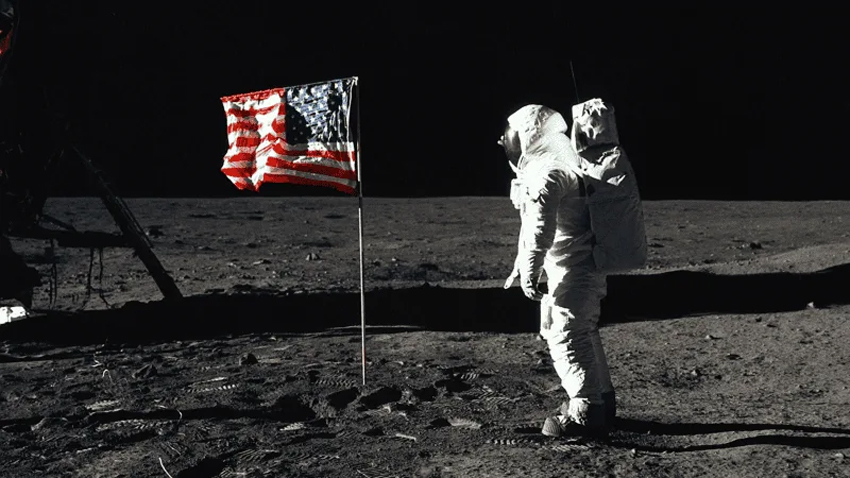
Online Messaging Links Global and Outer Space Declarations
The digital post declaring “The Moon is Ours” arrived shortly after political rally remarks claiming total jurisdiction over the strategic Strait of Hormuz. The administration continues military pressure across regional shipping lanes while issuing bold statements on digital platforms.
International Treaties Restrict National Claims
Global legal agreements explicitly prohibit individual nations from claiming exclusive sovereignty over outer space or international maritime routes. The 1967 Outer Space Treaty strictly limits space exploration for international peaceful purposes rather than territorial expansion.
Design Proposals and Geographic Renaming Trend
Alongside celestial claims, recent online posts featured concept imagery for new military uniforms and proposed regional landmark renamings. Suggestions to rename places reflect an ongoing political branding campaign aimed at projecting national power.
Symbolic Rhetoric Differs From Legally Binding Action
Implementing territorial claims across foreign territories or lunar surfaces would require massive defense allocations exceeding Rs299,382 annually. Legal experts note that social media declarations lack formal constitutional authority to alter international law or borders.
Connecting lunar ownership posts to earlier statements on the Strait of Hormuz demonstrates a clear pattern of provocative public communication. These bold claims generate widespread public intrigue and dominate news cycles without changing official international treaties. Existing international laws continue to protect global waterways and celestial bodies from individual state ownership.
Also read: Trump Iran nuclear threat puts Kolang Gazla in focus
Also read: Trump birthright citizenship order blocked by federal judge


