

Pakistan plans to send its first astronaut into Space
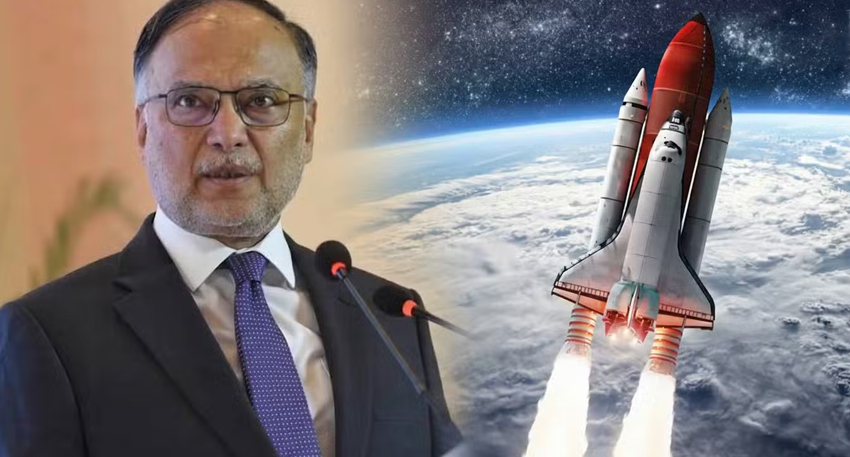
The Pakistan first astronaut mission could mark a new chapter in the country’s growing space activities.
Speaking at an international conference in Islamabad, Iqbal said Pakistan had successfully launched five satellites over the past 18 months.
He said the Pakistan space mission was part of wider efforts to strengthen the country’s use of modern space technology.
The conference was organised in collaboration with the United Nations Office for Outer Space Affairs on October 27, 2026. The minister highlighted the role of the Pakistan space programme in addressing national challenges and supporting development.
How Satellites Can Help Pakistan
Iqbal said Pakistan satellites could help authorities prepare for climate-related disasters, including floods, cyclones and glacial melting.
Satellite data can provide important information about changing weather conditions and areas at risk.
The minister said space technology Pakistan could use more widely would improve early warning systems and help people prepare before disasters strike. Better information could reduce deaths, damage to property and financial losses.
The Pakistan space programme could also support the planning of roads, bridges, hospitals and other major infrastructure projects. Reliable satellite information can help officials identify risks and make better development decisions.
Climate Disasters and Funding Concerns
Iqbal referred to the devastating floods of 2022 and 2025, saying Pakistan had suffered economic losses exceeding $30 billion. He also noted that the country contributes less than one percent of global greenhouse gas emissions.
The minister criticised international partners and financial institutions for not providing enough new grant funding for reconstruction.
Read Also:Internet speeds in Pakistan to slow down until November 2
He argued that redirecting previously approved loans for education and health towards recovery efforts was inconsistent with climate justice.
He called on developed countries and international financial institutions to provide grants to vulnerable nations instead of increasing their debt.
The Pakistan space mission could support disaster preparedness, but international financial support remains important for rebuilding affected communities.
More Opportunities for Young People
Iqbal stressed the need for government institutions to share information and include satellite data in development planning.
He also called for greater investment in space-related education and technical skills.
He said young people, especially women, should have more opportunities to work in space science and geospatial technologies.
Expanding these skills could help the Pakistan space programme create new opportunities in science and technology.
The minister also urged regional countries to cooperate on disaster preparedness. Sharing information about rivers, mountains and climate risks could help them respond more effectively to emergencies.


