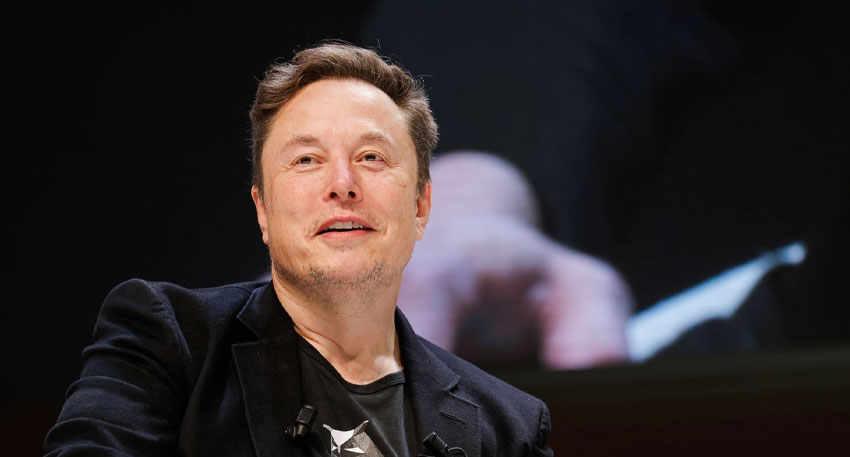
This hints at Tesla moving toward an “Unsupervised” driving mode in the coming months.
Musk explained that Tesla is “almost comfortable” letting drivers use their phones while the car handles driving tasks.
The transition to Unsupervised Full Self-Driving could happen within “a month or two,” potentially allowing drivers to focus on other activities as the car operates independently.
Currently, Tesla’s system is at SAE Level 2 autonomy, which still requires drivers to pay attention at all times.
Moving to SAE Level 3 or 4, where the car can drive most of the time without human supervision, will involve technical and regulatory hurdles.
Globally, only Mercedes-Benz and BMW have regulatory approval for limited hands-free driving at SAE Level 3.
Their systems work mostly in traffic jams on marked highways at low speeds, and even then, drivers cannot text or fully disengage.
Legal and safety issues remain a major challenge for Tesla. Texting while driving is illegal in most U.S. states, meaning Tesla would need major regulatory approvals before an “Unsupervised” mode could be legally allowed.
Previous accidents involving FSD also keep regulators cautious.
Also Read: Government set to ban social media for children under 15
Experts warn that a truly “hands-off, eyes-off” autonomous driving experience may still be years away, not due to technology but because of the lack of standardized safety laws.
While countries like China are advancing rapidly, most markets, including the U.S., remain limited to SAE Level 2, requiring active driver attention.