

Ford rehires human engineers after AI failed quality checks
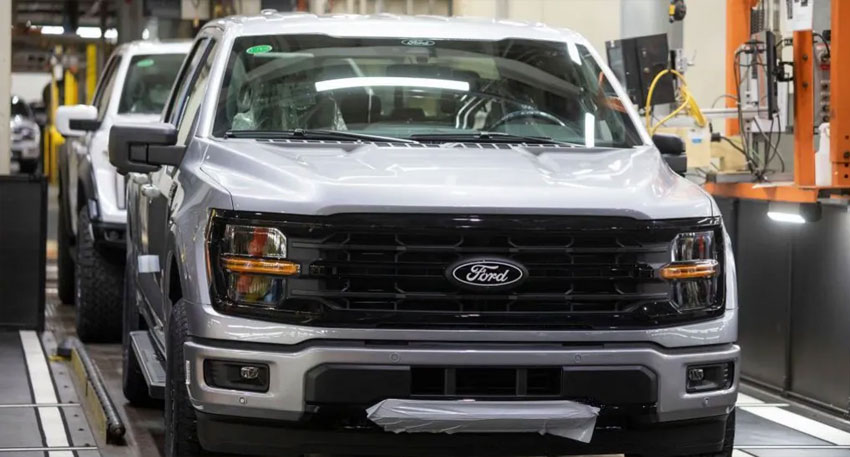
Ford has brought back more than 300 veteran human engineers after its AI-powered quality checks failed to deliver the expected results. The company said experienced workers were needed to improve vehicle quality and strengthen its automated systems.
The US automaker had introduced AI across several parts of its operations to reduce costs and improve productivity. One of its biggest uses was in vehicle quality inspections, where AI-powered tools and cameras were expected to detect manufacturing problems more efficiently.
However, company executives admitted that the technology could not match the knowledge and practical experience of long-serving engineers. According to reports, Ford rehired more than 300 experienced quality inspectors in recent years to overcome the weaknesses of its automated systems.
Charles Poon, Ford’s vice president of vehicle hardware engineering, said, "Artificial intelligence is a fantastic tool, but it's only as good as the information you use to train it." He explained that the company had not fully valued the experience of its most skilled engineers, who had worked through many vehicle development cycles.
Also read: Spy agencies warn AI could supercharge hacking within months, not years
Ford has been actively expanding the use of AI as the technology gained popularity across industries. Last year, Ford CEO Jim Farley also warned that AI could significantly affect many white-collar jobs in the future.
The company’s chief operating officer, Kumar Galhotra, previously revealed that Ford had deployed AI across its entire industrial system. This included installing around 900 AI-powered cameras at production plants to identify quality problems early and reduce supply chain disruptions.
Despite these investments, Poon admitted the AI system did not perform as expected. He said the company mistakenly believed that simply feeding design requirements into AI would automatically produce high-quality vehicles.
According to Poon, many experienced technicians had already left the company before their knowledge could be used to improve AI systems. Ford has now brought many of these experts back to help train AI tools while also mentoring younger engineers.
"We recognised that for us to enhance some of our automation and machine learning and artificial intelligence tools we needed to ensure that they were trained by the most experienced individuals," he said.
Ford’s announcement came as the company celebrated returning to the top position in the US JD Power Initial Quality Study, a major industry benchmark for vehicle quality. It was the first time Ford had achieved the top ranking among mainstream automakers since 2010.
The company said this improvement was made possible through major leadership changes in engineering, manufacturing and supply chain operations. It also credited the return of about 300 veteran engineers, saying their decades of design experience played a major role in improving overall quality.
Ford’s experience shows that AI can improve manufacturing, but it cannot replace human knowledge on its own. The company’s decision suggests the best results come when experienced people and advanced technology work together.


