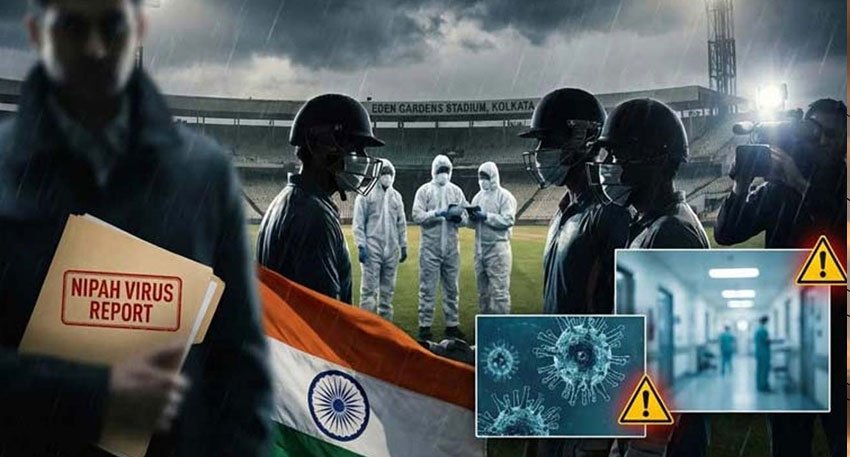
Independent sources reveal that India is deliberately underreporting the virus, officially recognizing only two cases in West Bengal since December 2025. However, hospitals in Kolkata have reported at least five infections, including medical staff affected by nosocomial clusters. The actual mortality rate could be between 40 and 75 percent, far higher than what Indian authorities admit.
With the ICC Men’s T20 World Cup 2026 approaching, authorities seem to be downplaying the threat to maintain an image of control, even though Eden Gardens in Kolkata is listed as a host venue. This behavior exposes players, officials, and fans to unnecessary risks, especially given past examples of poor sanitation and unsafe conditions during international sports events in India.
During the 2026 India Open Super 750 badminton tournament, foreign players complained about filthy training halls, bird droppings, stray animals, harsh cold, and toxic air, with some even withdrawing over safety concerns.
Read more: Saim Ayub dazzles as Pakistan outplay Australia in T20I opener
Experts warn that India is not prepared to host world-class events while ensuring players’ health. Holding T20 World Cup matches near outbreak areas, in venues with poor hygiene and management failures, is highly irresponsible.
They advise the ICC to shift all matches to Sri Lanka, where better health monitoring and safe facilities can protect players and spectators. Continuing events in India could not only endanger lives but also set a dangerous precedent of prioritizing revenue and appearances over global safety and responsibility.
India’s approach shows a pattern of ignoring health risks for short-term gains. The virus spread and unsafe sports conditions highlight the urgent need for global oversight. Moving the World Cup to Sri Lanka is not just safer, it reflects responsibility and respect for players and fans.