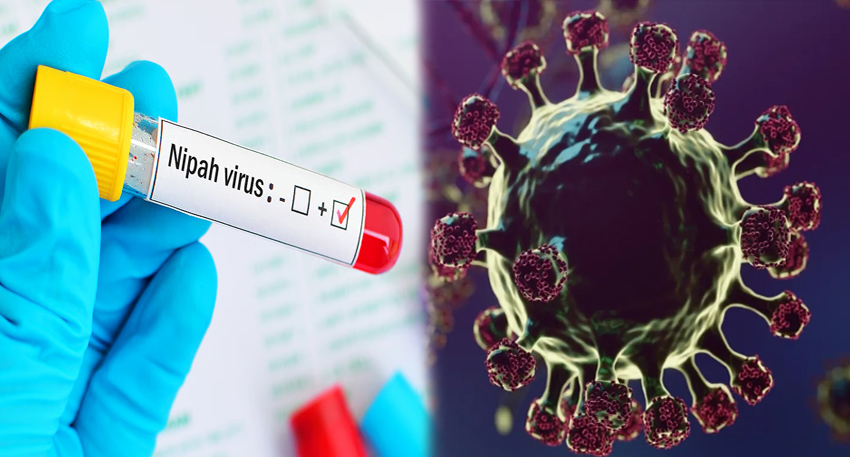
Early detection and strict safety measures are crucial to prevent its spread.
The Nipah virus, first identified in Malaysia in 1998, is primarily carried by fruit bats (Pteropus species) and can infect humans through direct contact with bats or consumption of contaminated food. The World Health Organization classifies Nipah as a high-risk pathogen due to its high fatality rate and potential for outbreaks.
Symptoms and Complications
Nipah virus infection initially presents with flu-like symptoms, making early diagnosis challenging. Common early symptoms include fever, headache, muscle aches, and fatigue. Respiratory issues such as cough, shortness of breath, and pneumonia may also develop.
Severe cases can result in encephalitis (inflammation of the brain), leading to confusion, seizures, altered consciousness, or coma. Neurological complications may emerge days or weeks after the onset of illness. Survivors may experience long-term effects, including persistent seizures or personality changes. Rarely, encephalitis can recur months or even years later due to viral reactivation.
Fatality Rate
The Nipah virus carries a high mortality rate, ranging from 40% to 75% depending on the outbreak and strain, making it one of the deadliest viruses known to infect humans.
Also Read: Pakistan orders strict screening over Nipah virus threat from India
Prevention and Safety Measures
Currently, there is no specific treatment or vaccine for Nipah virus. Authorities emphasize supportive care, early detection, and strict infection control measures to curb its spread. Key preventive actions include:
- Avoiding contact with sick animals, particularly bats and pigs
- Practising proper hygiene and handwashing
- Avoiding consumption of food potentially contaminated with bat saliva, urine, or faeces
- Reporting suspected cases to health authorities immediately
Global Response
Health organizations and governments are monitoring the outbreak closely, issuing public warnings, and preparing emergency response protocols to prevent further infections. Public awareness campaigns aim to educate communities about the risks, symptoms, and preventive measures of the virus.