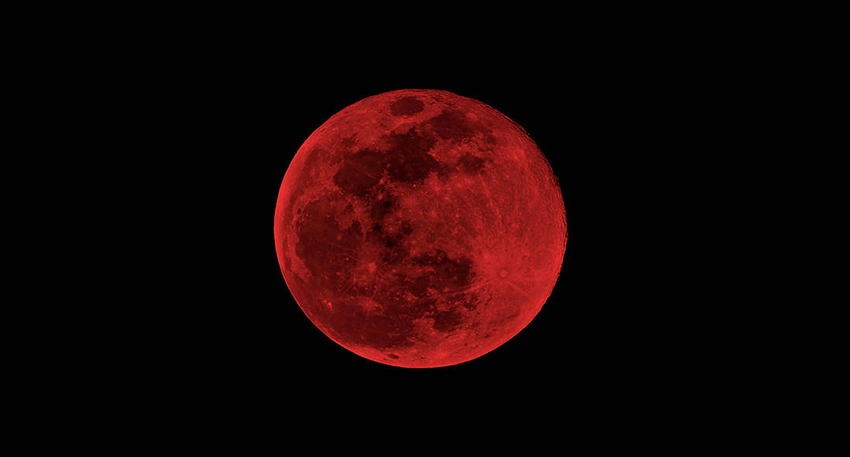
The first total lunar eclipse of 2026 will take place on March 3, and it will be partially visible in Pakistan, according to the Pakistan Meteorological Department (PMD).
Astronomers confirm that the celestial event, commonly known as a “Blood Moon,” will occur when the Earth moves directly between the Sun and the Moon, casting its shadow and turning the Moon reddish.
Lunar Eclipse 2026 Timings in Pakistan
According to the PMD, the total lunar eclipse on March 3 will follow this schedule (Pakistan Standard Time):
- 1:44 PM – Eclipse begins
- 2:50 PM – Partial eclipse starts
- 4:05 PM – Total lunar eclipse begins
- 4:34 PM – Eclipse reaches peak
- 5:03 PM – Total phase ends
- 7:23 PM – Eclipse fully concludes
However, due to daylight hours in Pakistan, the eclipse will be partially visible in different cities.
Why Is It Called a Blood Moon?
Astronomical experts explain that a total lunar eclipse occurs when the Earth comes exactly between the Sun and the Moon.
As Earth blocks direct sunlight, some rays pass through Earth’s atmosphere and scatter, giving the Moon a red or orange glow — a natural phenomenon known as the Blood Moon.
Experts emphasize that this is a purely scientific and natural astronomical process and is not linked to any unusual or dangerous event.
Also Read: Total lunar eclipse to be visible in Pakistan on March 3
Global Visibility of March 3 Lunar Eclipse
The total lunar eclipse will be visible across multiple regions worldwide, including:
- Asia
- Australia
- North America
- South America
- Eastern Europe
- Pacific and Atlantic regions
- Indian Ocean and Arctic areas
While Pakistan will witness only partial visibility due to daytime conditions, other regions may experience clearer views.
What Makes This Eclipse Special?
This will be the first total lunar eclipse of 2026, making it a significant astronomical event for sky watchers and space enthusiasts.
Experts recommend:
- Checking local sunset timings
- Observing from open areas
- Using binoculars or telescopes for better clarity
No special eye protection is required for viewing a lunar eclipse.
Scientific Significance
Lunar eclipses provide valuable opportunities for:
- Astronomical observation
- Educational research
- Public skywatching events
The March 3 Blood Moon is expected to attract global attention from astronomers and enthusiasts alike.