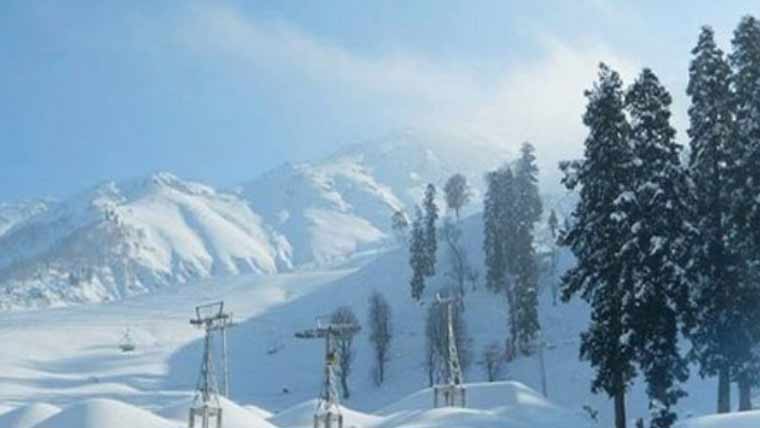
The Abbottabad district administration has imposed a four-day ban on tourist entry into Galiyat amid forecasts of rain, snowfall, and deteriorating weather, aiming to prevent accidents and ensure public safety.
According to officials, the decision was taken as weather conditions in the region continue to worsen, posing serious risks to travelers. Authorities have urged tourists and the general public to avoid traveling to Galiyat until Wednesday, warning that current conditions could prove dangerous.
Also Read: PMD issues landslide, avalanche alert for Northern Pakistan
Rain, Snowfall, and Landslide Risks Increase
The district administration stated that intense rainfall and possible snowfall may lead to slippery roads, traffic congestion, and landslides in the mountainous area. Such conditions significantly raise the likelihood of accidents, making tourist movement unsafe.
“Tourist safety is our top priority,” officials said, adding that entry will be restored once weather conditions improve.
Police Directed to Enforce Ban Strictly
To ensure strict implementation, police have been instructed to stop tourists at key check posts, including Harno and Barian. Law enforcement authorities confirmed that no tourist will be allowed to proceed toward Galiyat during the ban period.
The administration emphasized that the restriction will be strictly enforced, and violators will be turned back from checkpoints without exception.
Also Read: Commuter safety in snow: Hilly area winter travel tips
Tourists Urged to Cooperate With Authorities
Officials have appealed to tourists to cooperate with the administration and avoid unnecessary travel during the forecast period. Authorities added that weather conditions are being continuously monitored, and the public will be informed immediately once the situation normalizes and the ban is lifted.
Galiyat, one of Pakistan’s most popular winter tourist destinations, attracts thousands of visitors during snowfall season, often leading to congestion and safety challenges during severe weather.