

Pakistan temperature rise nears 1°C as nights get hotter
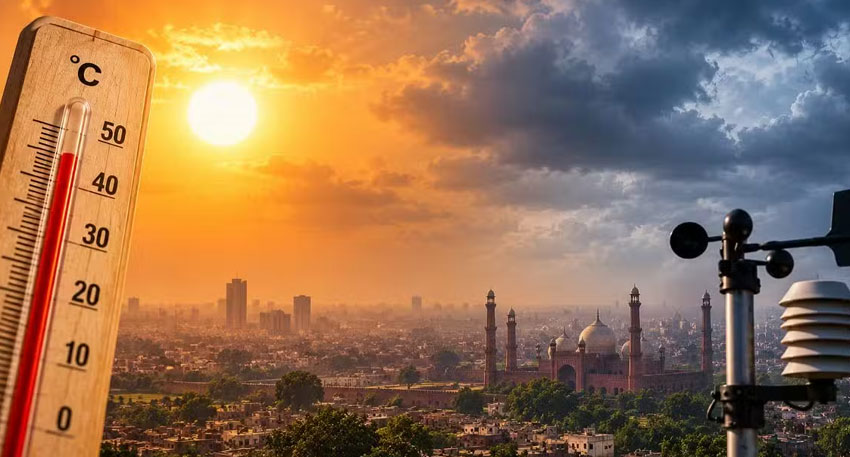
Pakistan’s average temperature has increased by approximately 0.95°C since 1981, highlighting the growing impact of climate change across the country, according to a Pakistan Meteorological Department (PMD) scientific assessment.
The report, How the Climate of Pakistan has Changed: Evidence from 45-year Data Record, examined temperature, rainfall, fog and extreme weather data recorded between 1981 and 2025.
Nighttime temperatures rise faster
The assessment found that maximum temperatures increased by 0.20°C per decade, while minimum temperatures rose by 0.26°C per decade. The faster increase in nighttime temperatures is reducing relief from daytime heat, particularly in central and southern Punjab, upper Sindh and Balochistan.
Some areas are now experiencing more than 100 days annually with temperatures above 40°C, highlighting the increasing risk of extreme heat.
Rainfall patterns become uneven
Pakistan’s annual rainfall showed a modest decline of 7.4 millimetres per decade, but the report said the trend was not statistically significant because rainfall varies considerably from year to year.
Instead, rainfall has become increasingly uneven across regions and seasons. Punjab, Sindh and parts of Khyber Pakhtunkhwa generally recorded higher rainfall, while northern KP, Gilgit-Baltistan and Azad Jammu and Kashmir experienced declines during several seasons.
Climate risks require local planning
The report highlighted the severe 2024-25 winter rainfall deficit and exceptionally wet 2022 monsoon as examples of increasing climate volatility.
It called for region-specific planning to manage extreme heat, floods, droughts, water shortages and other climate risks.


