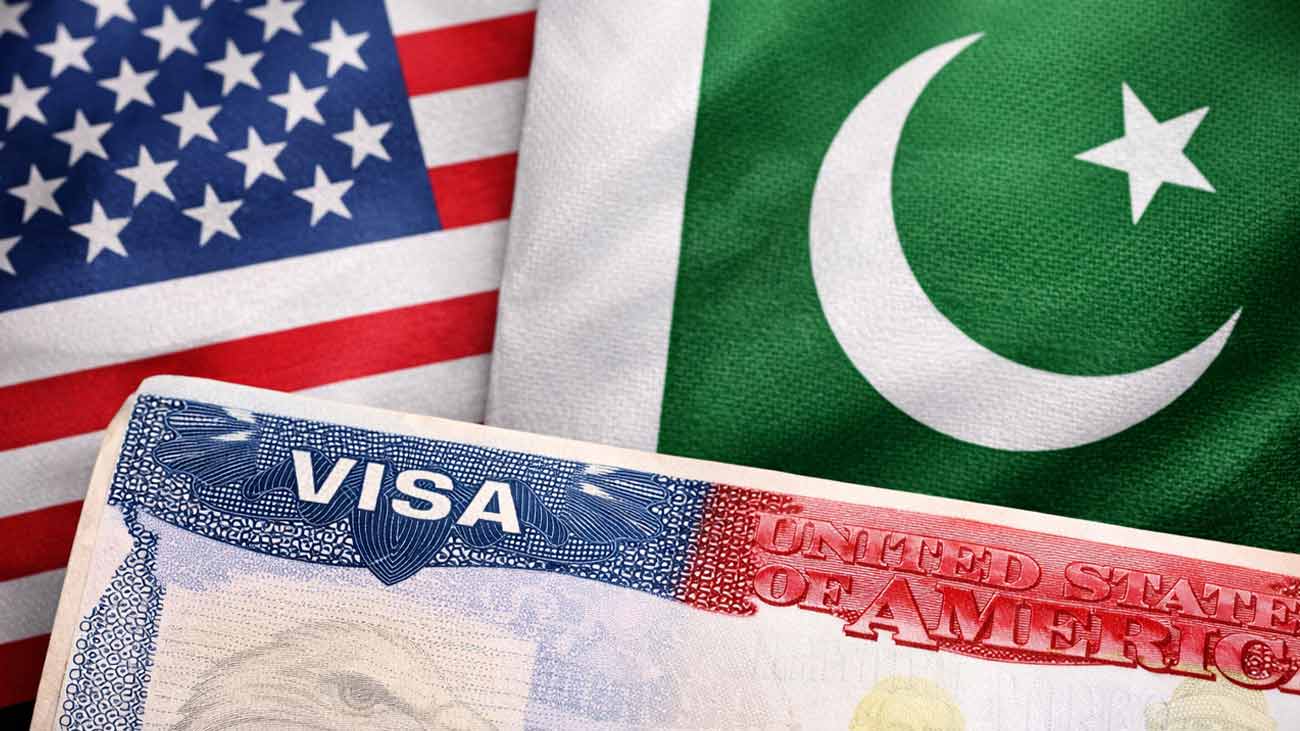
The United States has officially paused immigrant visa processing for citizens of 75 countries, including Pakistan, as part of President Donald Trump’s intensified immigration crackdown, triggering uncertainty for thousands of Pakistani applicants.
According to the US State Department, the suspension will take effect from January 21 and applies strictly to immigrant visas, including those for employment-based migration, family reunification, and permanent residency. The decision does not affect non-immigrant visas such as tourist, business, or student visas.
Why the US Has Halted Immigrant Visas
The move is based on a broader immigration order issued in November, which tightened screening rules for individuals who may become a “public charge”—a term used for migrants likely to rely on US welfare or public benefits.
“The Trump administration is ending the abuse of America’s immigration system,” the State Department said, adding that visa processing from affected countries will remain paused while procedures are reassessed to prevent benefit misuse.
How This Affects Pakistani Applicants
For Pakistani nationals, the suspension is expected to have wide-ranging consequences:
- Family reunification delays: Thousands of Pakistanis awaiting spouse, parent, or sibling visas may face prolonged uncertainty.
- Employment-based visa setbacks: Skilled professionals sponsored by US employers could see their cases frozen indefinitely.
- Green card applicants impacted: Those in advanced stages of permanent residency processing may experience sudden delays.
- Rising backlog fears: Immigration experts warn the pause could create long-term backlogs even after processing resumes.
Applicants already in the pipeline will not be rejected automatically, but their cases will remain on hold until further notice.
Also Read: Pakistan tracks US visa suspension, hopes for early resumption
Non-Immigrant Visas Still Open—but With Stricter Checks
While tourist, business, and student visas remain open, US embassies have been instructed to apply enhanced screening. Consular officers will assess applicants’ financial stability, education, English proficiency, health, age, family status, and any past use of public assistance.
Applicants may also be required to submit additional documentation proving they will not rely on public benefits while in the US.
Why Demand for Temporary Visas May Rise
Officials expect a surge in non-immigrant visa applications, particularly with the 2026 FIFA World Cup and 2028 Olympics, both to be hosted or co-hosted by the United States. Pakistani travelers attending these events may still apply, subject to stricter vetting.
Pakistan Among Dozens of Affected Countries
Pakistan joins a long list of countries across Asia, Africa, the Middle East, and Latin America facing the suspension. Analysts say the policy disproportionately affects developing nations and could strain diplomatic and people-to-people ties.
Also Read: US offers thousands of H-2B work visas to Pakistani workers
What Pakistani Applicants Should Do Now
Immigration experts advise Pakistani applicants to:
- Closely monitor official US State Department updates
- Ensure strong financial documentation
- Avoid reliance on incomplete or unverified visa agents
- Prepare for extended waiting periods
Until the policy is reviewed, thousands of Pakistani families and professionals remain in limbo, hoping for an early resumption of immigrant visa services.