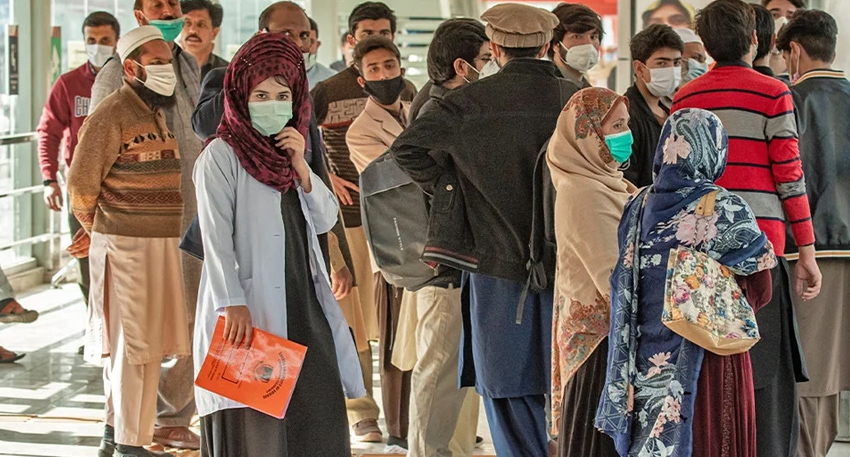
Urban spaces, historically shaped by male-centric planning, often fail to account for women’s needs, reinforcing social and economic inequalities. Cultural norms such as “chadar aur char dewari” further confine women to private spaces, while public areas remain largely dominated by men.
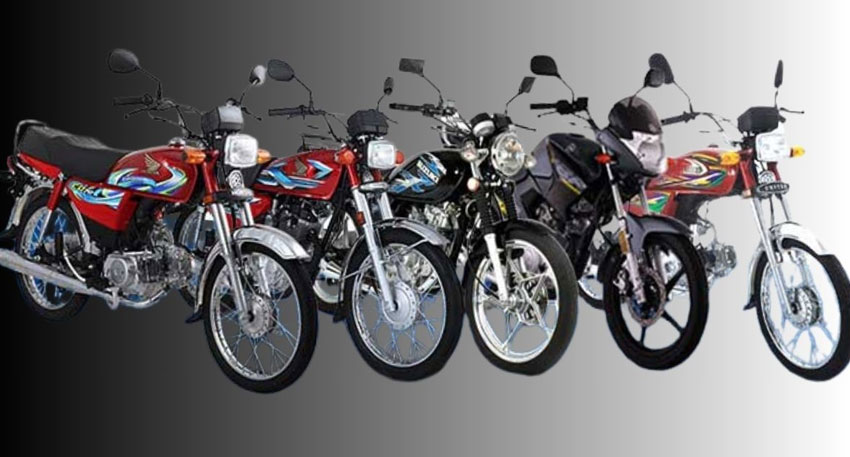
Transport remains one of the biggest barriers. Limited public transit options, safety concerns, and rising costs disproportionately affect working-class women. Many rely on male family members or expensive alternatives like ride-hailing services, restricting their independence and access to employment. Data trends also show a rise in private vehicle use over public transport, further marginalising those who depend on shared mobility.
Experts highlight that infrastructure gaps, such as poorly lit streets, lack of safe walkways, and inadequate sanitation facilities,discourage women from travelling freely. Architect Fariha Khan notes that public spaces and workplaces often lack basic amenities like childcare facilities and nursing rooms, making it harder for women to balance work and family responsibilities.
Also Read: Can there be a ‘Perfect Day’? Study highlights key activities for better living
According to reports by the World Bank and Asian Development Bank, Pakistan’s female labour force participation remains significantly low, partly due to these structural barriers. The McKinsey Global Institute has also stressed that improving gender equality could significantly boost global economic growth.
Urban planners argue that inclusive design, such as mixed-use developments, better public transport, and accessible childcare, can help address these challenges. The ongoing Greater Karachi Regional Plan 2047 aims to incorporate public feedback, raising hopes for more equitable urban development.
Experts stress that without prioritising inclusivity; cities will continue to exclude half their population from fully participating in economic and social life.