

Punjab launches QR code system to make sanitation complaints easier
How the New QR Code Complaint System Works
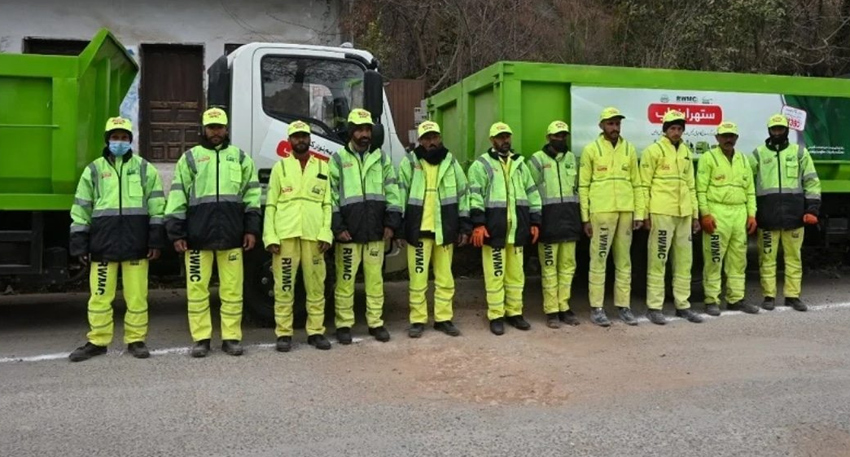
The Punjab government has introduced the system under its Suthra Punjab programme to make sanitation services more transparent and accessible.
According to the Punjab Directorate General of Public Relations (DGPR), the initiative was announced during a special meeting chaired by Chief Minister Maryam Nawaz Sharif to review the programme’s performance.
Under the new arrangement, QR codes will be displayed at different locations across the province.
Citizens will be able to scan these codes using their mobile phones to check details of sanitation workers responsible for their areas.
They can also use the system to register complaints about garbage, dirty streets and other cleanliness problems.
The facility will also allow residents to submit feedback about sanitation services.
The government aims to improve communication between citizens and sanitation authorities through this digital system.
Maryam Nawaz Orders Complaints to Be Resolved Within Hours
During the meeting, Maryam Nawaz directed officials to resolve sanitation complaints within hours instead of allowing them to remain pending.
She also ordered the installation of waste bins at designated locations and instructed authorities to increase door-to-door garbage collection across Punjab.
The chief minister stressed that villages should receive the same attention as major cities. She directed officials to carry out cleanliness operations in rural areas at least twice a week.
She further ordered the deployment of anti-littering squads in every district. People who repeatedly throw garbage into streets and drains will face fines under the cleanliness campaign.
Commercial markets and roadside vending areas will also receive additional waste bins and drums to prevent people from throwing rubbish in public places.
Read Also: HEC introduces new facility for online degree attestation
Daily Deep-Cleaning and Surprise Inspections Planned
The chief minister also instructed authorities to conduct deep-cleaning operations in one tehsil every day.
Modern machinery will be used to remove unwanted plants, weeds and bushes growing along roadsides.
Maryam Nawaz directed the provincial local government minister to personally monitor sanitation arrangements through surprise visits.
These inspections will cover workers’ attendance, the availability of cleaning staff and the working condition of sanitation machinery.
Suthra Punjab Programme Reports Progress
During the meeting, officials shared details about the progress of the Suthra Punjab programme.
According to the briefing, more than 93,000 sanitation beats have been established across the province. These beats help organise cleaning activities and assign responsibilities to sanitation workers.
Authorities have also identified more than 51,000 vacant plots where garbage had accumulated. Cleaning operations have already removed waste from around 30,000 of these plots.
The meeting was further informed that the government had achieved its target of paying salaries to all Suthra Punjab workers.


