

PM Shehbaz directs NDMA to aid flood-hit citizens urgently
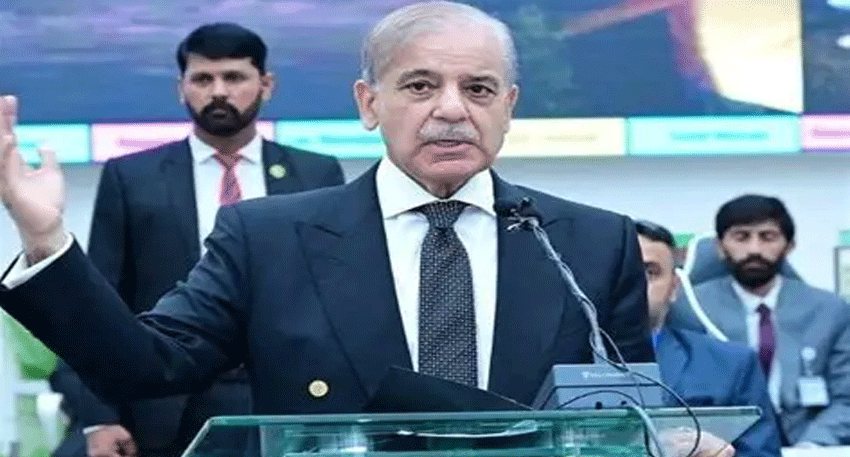
The prime minister issued the instructions during a meeting with National Disaster Management Authority Chairman Lieutenant General Inam Haider Malik.
According to the Prime Minister’s Office, Shehbaz directed the disaster management authority to use “all available resources” to help people in flood-affected areas.
He also stressed the need for close coordination between the NDMA, provincial authorities and Provincial Disaster Management Authorities.
The instructions come as Pakistan continues to face heavy monsoon rains and increasing risks of floods, landslides and other weather-related emergencies.
NDMA briefs PM on flood situation
During the meeting, the NDMA chairman briefed the prime minister about the latest weather conditions across the country.
He also provided an update on relief operations in areas affected by floods and explained measures being taken to rehabilitate people who have suffered losses.
Relief operations supported by the federal government are continuing in Khyber Pakhtunkhwa, Gilgit-Baltistan and Azad Jammu and Kashmir.
The government is expected to maintain these operations as weather conditions remain uncertain and several areas continue to face risks from heavy rainfall.
Shehbaz also appreciated the use of artificial intelligence and modern technology at the National Emergencies Operation Centre.
The technology is being used to improve monitoring and emergency response, helping authorities track weather developments and coordinate disaster management efforts.
وزیراعظم محمد شہباز شریف نے کہا ہےکہ سیلاب سے متاثرہ علاقوں میں عوام کو ہر ممکن امداد اور ریلیف فراہم کرنے کے لیے تمام دستیاب وسائل بروئے کار لائے جائیں۔این ڈی ایم اے کو متعلقہ صوبائی اداروں اور پی ڈی ایم ایز کے ساتھ موثر رابطہ یقینی بنائے۔ چیئرمین این ڈی ایم اے لیفٹیننٹ جنرل… pic.twitter.com/xJtAJg7zBg
— PTV News (@PTVNewsOfficial) August 15, 2026
Rain-related deaths cross 150
According to NDMA data, at least 155 people have died and 460 others have been injured in rain-related incidents between June 26 and August 14.
The figures highlight the growing impact of the monsoon season, which brings heavy rainfall across Pakistan between June and September.
Monsoon rains are important for replenishing water supplies and supporting agriculture. However, intense rainfall can also cause flash floods, landslides, building damage and displacement.
The risks are particularly serious in areas with weak drainage systems, vulnerable infrastructure and densely populated communities.
Authorities have therefore been urged to remain prepared and respond quickly when rainfall causes flooding or other emergencies.
Also Read: Five people feared drowned in Swabi’s Indus River
More flooding possible in coming days
The latest concerns are not limited to areas that have already been affected.
The Flood Forecasting Division of the Pakistan Meteorological Department has warned that stormwater nullahs connected to the Chenab and Ravi rivers could reach high flood levels between August 15 and 21.
The warning comes as water flows in these waterways continue to rise.
Residents living near rivers, nullahs and other vulnerable areas may therefore face increased risks during periods of heavy rainfall.
Authorities are expected to monitor water levels closely and coordinate evacuation and relief measures if the situation deteriorates.
Government focuses on preparedness
The prime minister’s latest instructions show that the government is placing greater emphasis on rapid relief and coordination as the monsoon season continues.
The NDMA and provincial disaster management authorities will play a key role in responding to new emergencies and supporting affected communities.
The effectiveness of the response will depend on how quickly assistance reaches vulnerable areas. Timely warnings, evacuation plans, medical support and essential supplies can reduce the impact of flooding on communities.