

Petrol levy jumps despite fuel price cut
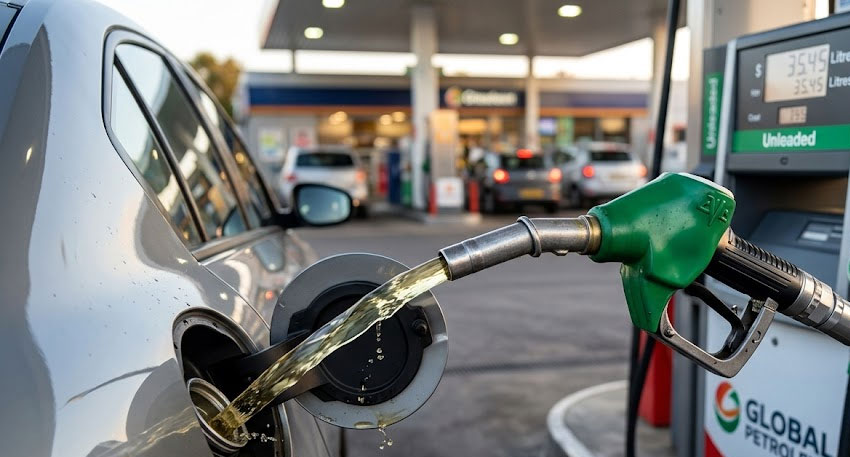
The federal government has revised the petroleum levy on fuel products, significantly increasing the levy on petrol while reducing the levy on high-speed diesel in a move aimed at strengthening revenue collection and maintaining fiscal discipline.
According to official documents, the petroleum levy on petrol has been increased by Rs24.74 per litre. Following the revision, the levy on petrol has risen from Rs91.34 per litre to Rs116.08 per litre. The decision comes as authorities seek additional revenue to meet budgetary requirements and achieve financial targets.
In contrast, the government has reduced the petroleum levy on high-speed diesel by Rs24.34 per litre. The levy on diesel has been lowered from Rs68.93 per litre to Rs44.59 per litre. The adjustment is expected to ease some financial burden on sectors heavily dependent on diesel, including transportation and agriculture.
The documents further revealed that no changes have been made to the levy on kerosene oil. The existing levy rate of Rs20.36 per litre will remain in place.
Sources said the government decided to increase the levy on petrol in line with commitments linked to the International Monetary Fund (IMF) programme and efforts to keep the budget deficit under control. Officials believe the measure will help generate additional revenue and support fiscal stability during the current financial year.
The revision follows the government's recent decision to cut petrol prices by Rs4 per litre while keeping diesel prices unchanged. According to a notification issued by the Ministry of Petroleum, the new petrol price stands at Rs377.78 per litre, whereas the price of high-speed diesel remains unchanged at Rs380.78 per litre.
The latest changes highlight the government's balancing act between providing limited fuel price relief and ensuring sufficient revenue generation to meet economic obligations.


