

Pakistan plans massive fuel reserves amid Middle East crisis fears
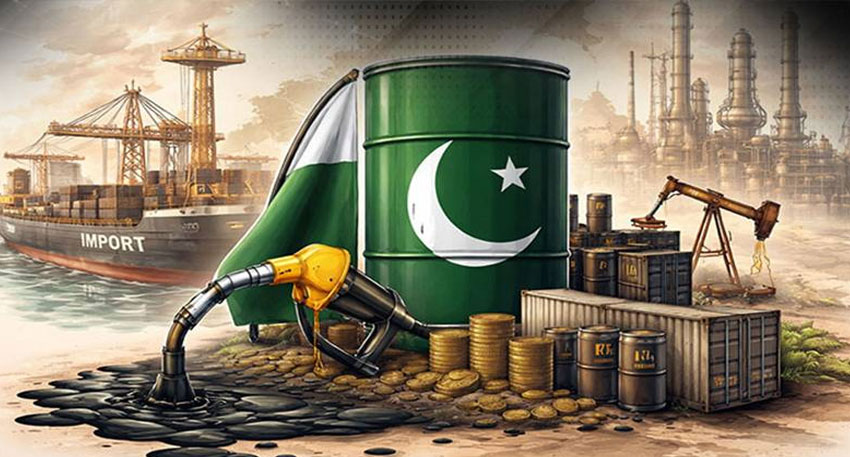
Pakistan has taken a major step to strengthen its energy security as the government plans to establish strategic petroleum reserves capable of meeting fuel demand for up to three months during emergencies.
The decision comes amid escalating tensions in the Middle East and fears of a possible global energy crisis that could disrupt oil supplies and increase fuel prices worldwide.
According to petroleum ministry sources, Pakistan will initially focus on creating reserves sufficient for one month of national fuel consumption. The first phase of the project is expected to cost nearly $1 billion.
Officials said around $550 million will be spent on petroleum products, while more than $30 million will be allocated for building storage facilities and related infrastructure.
Sources revealed that Saudi Arabia and Kuwait have shown interest in investing in the strategic reserve project. Several countries, including Japan, already maintain similar emergency oil reserve systems to protect their economies during global crises.
Authorities admitted that Pakistan currently has almost no government-owned petroleum reserves, while commercial oil companies maintain stocks for only around 21 days. Officials believe dedicated strategic reserves are essential to ensure uninterrupted fuel supplies during emergencies or disruptions in international markets.
The government also plans to keep strategic reserves separate from commercial fuel stocks so they can only be used during extraordinary situations. Friendly countries contributing to the reserves may also be able to access oil supplies from Pakistan if required.
Officials said the move is part of Pakistan’s long-term energy security strategy, while existing long-term petroleum import agreements with Qatar will continue.


