

Pakistan extends airspace ban on Indian aircraft until October 24
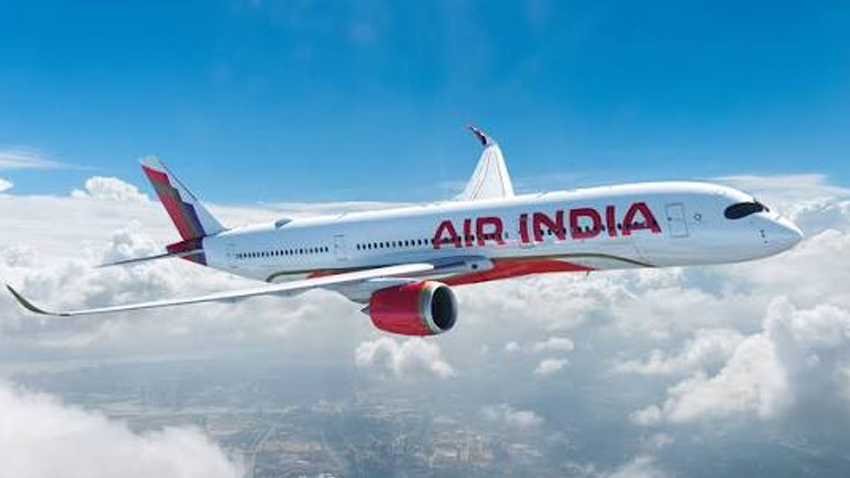
Ban covers Indian airlines and military flights
The latest restriction covers a wide range of Indian aircraft.
It applies to Indian-registered aircraft as well as planes owned, operated or leased by Indian airlines and operators. Military flights are also included in the restriction.
The measure affects both passenger and other flights operated by Indian carriers, forcing airlines to use alternative routes for journeys that would normally pass through Pakistani airspace. The PAA has previously issued similar extensions as tensions between Pakistan and India have continued.
Restriction applies to Karachi and Lahore FIRs
Pakistan’s airspace is divided into two Flight Information Regions (FIRs), known as Karachi and Lahore. The latest restriction applies to both regions. The Karachi FIR is identified by the code OPKR, while the Lahore FIR is identified as OPLR.
This means the restriction covers Pakistani airspace managed through both major flight information regions. The measure is therefore not limited to a specific city or route and affects the use of Pakistani airspace by the categories of Indian aircraft listed in the NOTAM.
Airspace closure dates back to 2025
Pakistan and India first imposed reciprocal airspace restrictions in 2025 after relations between the two countries deteriorated following the Pahalgam attack.
Pakistan announced the closure of its airspace to Indian-owned and Indian-operated airlines on April 24, 2025. India also imposed restrictions on Pakistani aircraft. The measures came after a sharp deterioration in relations between the two nuclear-armed neighbours.
India accused Pakistan of supporting the Pahalgam attack, while Islamabad rejected the allegation and called for a neutral and transparent investigation. The two countries later engaged in military hostilities in May 2025.
The airspace ban has been extended several times
Pakistan has continued the restriction through a series of extensions since it was first introduced.
Previous PAA notices extended the ban for additional periods, with the restrictions covering Indian civilian and military aircraft. The repeated extensions have kept the airspace restrictions in place for a prolonged period.
The latest reported extension would continue the restrictions beyond September and into October. The continued measures reflect the fact that aviation restrictions remain linked to the wider state of relations between Pakistan and India.
Indian airlines forced to use alternative routes
The airspace restriction can affect the routes used by Indian airlines for international flights. When aircraft cannot cross Pakistani airspace, carriers may need to take longer alternative routes. Longer routes can increase flight times and fuel consumption.
Previous reporting has noted that the restrictions have forced Indian carriers operating international services to reroute some flights around Pakistani airspace.
The impact can vary depending on the destination, aircraft route, and available alternatives. For airlines, longer routes can also create additional operational costs.
Impact on regional aviation
The restrictions also have implications for aviation across the region.
Also Read: 9 terrorists killed in Balochistan operations, key commander among the dead
Pakistan lies along routes used by airlines travelling between South Asia, the Middle East and destinations farther west. Restrictions on Indian aircraft therefore require affected operators to plan routes that avoid Pakistani airspace.
The additional distance can influence flight planning, fuel requirements and travel times. However, the effect is different for individual flights because airlines can use different routes depending on their departure and destination points.
Pakistan and India maintain separate restrictions
Pakistan’s restriction forms part of a wider reciprocal aviation dispute between the two countries. India has also maintained restrictions on Pakistani aircraft following the deterioration in bilateral relations. Both countries have repeatedly extended their respective airspace measures since 2025.
The restrictions have remained separate from normal commercial aviation arrangements and have affected both civilian and military aircraft. The continuation of these measures has added another layer to the already strained relationship between the neighbouring countries.
What the latest extension means
If the reported October 24 deadline is confirmed by the latest PAA NOTAM, Indian-registered aircraft and aircraft connected with Indian airlines and operators would remain barred from the specified Pakistani airspace until that time.
The restriction would also continue to apply to Indian military flights. The measure covers the Karachi and Lahore FIRs.
For Indian airlines, this means continued use of alternative routes for affected international services. The restriction could be reviewed or extended again through another aviation notice after the current deadline.
Regional tensions remain a factor
The airspace restrictions were introduced after a major deterioration in Pakistan-India relations. Although the measures are aviation-related, their continuation is closely connected to the broader security and diplomatic situation between the two countries.
The repeated extensions show that the airspace issue has remained unresolved for a prolonged period. For passengers, the most visible impact is likely to be longer flight routes on services that would otherwise cross Pakistani airspace.
For airlines, the restrictions can mean additional operational planning and costs. The reported extension therefore keeps a significant aviation restriction between Pakistan and India in place while broader bilateral tensions continue.


