

New Hajj Policy promises digital reforms and more choices for pilgrims
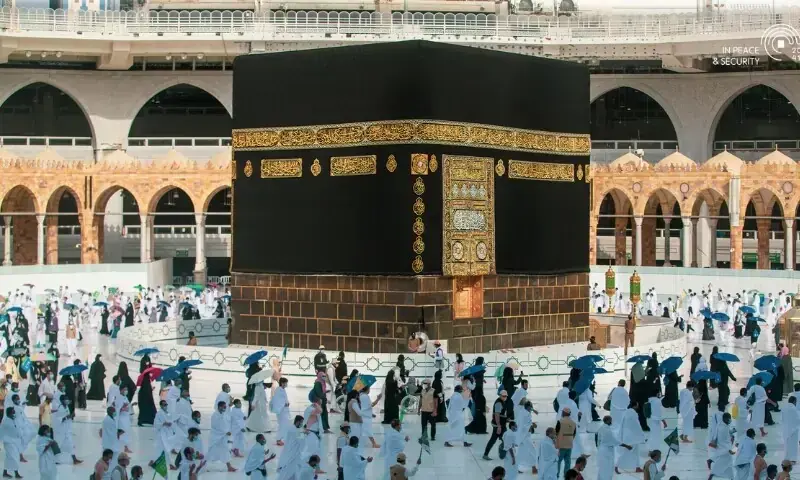
Pakistan has introduced its first four-year Hajj Policy for 2027-2030, giving intending pilgrims the option to select the year they want to perform Hajj. The government says the new system is designed to improve planning, transparency, and services for pilgrims.
Federal Minister for Religious Affairs Sardar Muhammad Yousuf announced the policy during a press conference in Islamabad. He said the initiative marks the beginning of long-term reforms in Pakistan’s Hajj management system.
Under the new registration and waiting list system, applicants can reserve their preferred Hajj year by depositing an estimated 10 percent of the total Hajj cost. The waiting list will operate on a first-come, first-served basis through a transparent digital system.
The government also plans to sign three- to four-year agreements for accommodation, transport, catering, air travel, and cargo services. Officials believe long-term contracts will improve service quality and help control costs.
According to the minister, every stage of the Haj process will be managed digitally. Registration, payments, complaint handling, monitoring, and post-Haj reviews will all be carried out through an integrated online system.
The current Haj quota distribution will remain unchanged, with 60 percent allocated to the government scheme and 40 percent to private Haj operators until 2030, unless the federal cabinet decides otherwise. The government also plans to gradually focus on regulation, monitoring, and quality assurance while increasing the role of the private sector.
Also read: Supreme Court clarifies who can receive a deceased employee’s pension
The Government Haj Scheme will offer multiple packages with different durations to meet the needs of various pilgrims. Officials said all procurement and contracts in Pakistan and Saudi Arabia will follow government procurement rules.
The policy also states that any unused Haj funds remaining after the completion of operations will be returned to pilgrims. In addition, an independent third party will evaluate the performance of both public and private Haj arrangements.
Private Haj companies will be monitored based on service quality and performance instead of quota alone. They will also be required to use the Private Haj Management Portal for digital bookings, payments, monitoring, and auditing.
To improve transparency, all Haj payments must be made through government-approved banking channels. The government is also introducing a digital complaint management system, monitoring mechanisms, and a formal appeals process for quick resolution of grievances.
The new policy also includes merit-based selection of Haj assistants and expanded training for pilgrims. Training will cover Haj rituals, mobile applications, health guidance, emergency response, and Saudi laws.
The Haj Protector Scheme will continue to provide financial assistance in cases of death, accidents, or emergency evacuation during the pilgrimage. The government also plans to establish a dedicated emergency response team for pilgrims.
The minister said the policy has been prepared in line with Saudi Vision 2030 and international standards. He also thanked Prime Minister Shehbaz Sharif for supporting the development of the new Haj framework.
The new Haj Policy focuses on long-term planning, digital services, and greater transparency. If implemented effectively, it could make the Haj process more organized, predictable, and convenient for millions of Pakistani pilgrims.