

NADRA rolls out QR-based ID cards with smartphone checks
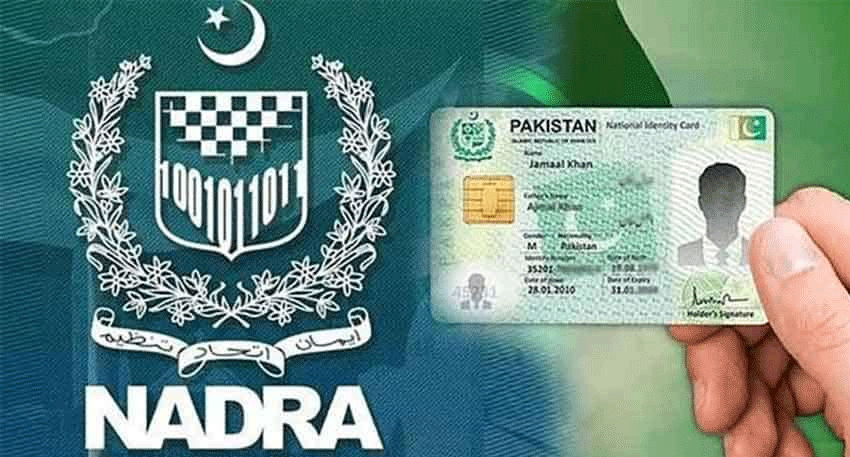
The National Database and Registration Authority is moving beyond traditional identity documents and building a wider digital identity system for citizens.
The new card uses a secure QR code instead of a microchip. Citizens and institutions can scan the code with a smartphone through the PakID mobile application for identity verification.
Locally made QR-based ID cards
NADRA began issuing the new chipless cards on August 14 after the government approved changes to the relevant identity card rules.
The cards are being produced locally by the National Security Printing Company in Karachi. Their production follows technical and security requirements set by NADRA.
The shift is designed to reduce Pakistan’s dependence on imported microchips. It also aims to make identity verification easier because smartphones can be used to scan and check the QR code.
Initially, the chipless card will replace the standard national identity card. NADRA plans to expand the system to other identity documents and specialised card categories from January.
The move is being described as part of Pakistan’s broader effort to develop local technology and strengthen its digital infrastructure.
NADRA expands its digital identity system
NADRA has spent years developing Pakistan’s digital identity infrastructure. Its system has gradually moved from simply issuing identity documents toward providing digital verification services.
The authority is now working on several connected services, including a national digital ID, digital credentials, a PakID vault and QR-based document verification.
Another major part of the plan is consent-based data sharing. This system is intended to allow citizens to control when their information is shared while making digital services easier to access.
NADRA is also developing a unified platform for identity verification. The wider system could allow government departments, banks and other approved organisations to verify identities through secure digital channels.
The growing use of the PakID application is also supporting this transition. The application had crossed 18 million downloads by July, showing increasing public use of mobile-based identity services.
Why the chipless card matters
The introduction of the QR-based card could make identity verification more convenient for both citizens and service providers.
Unlike traditional smart cards that depend on embedded chips and specialised reading equipment, QR codes can be scanned using commonly available smartphones.
The approach may also help reduce costs and simplify verification in places where dedicated card-reading devices are not easily available. However, security will remain important as more identity services move online.
NADRA says its wider digital transformation is intended to provide secure and reliable access to services through digital and biometric authentication.
The authority has already used biometric technology for different services, while the new QR system adds another method for confirming identity.
Also Read:PRA issues new digital receipt rules for restaurants, hotels across Punjab
A bigger digital transformation
Pakistan’s move toward digital identity is part of a larger government effort to modernise public services and expand the digital economy.
The country has also established the Pakistan Digital Authority to guide digital development and support the objectives linked to Digital Pakistan 2030.
At the same time, authorities are working to improve digital skills by expanding technology-related training and courses across the country.
These efforts are aimed at preparing citizens and institutions for an economy where more government, financial and commercial services are delivered digitally.
For NADRA, the QR-based card represents another step in that transformation. The authority is gradually shifting from being mainly an identity card issuer to becoming a wider digital trust and verification platform.