

Islamabad bans swimming in dams, nullahs for two months
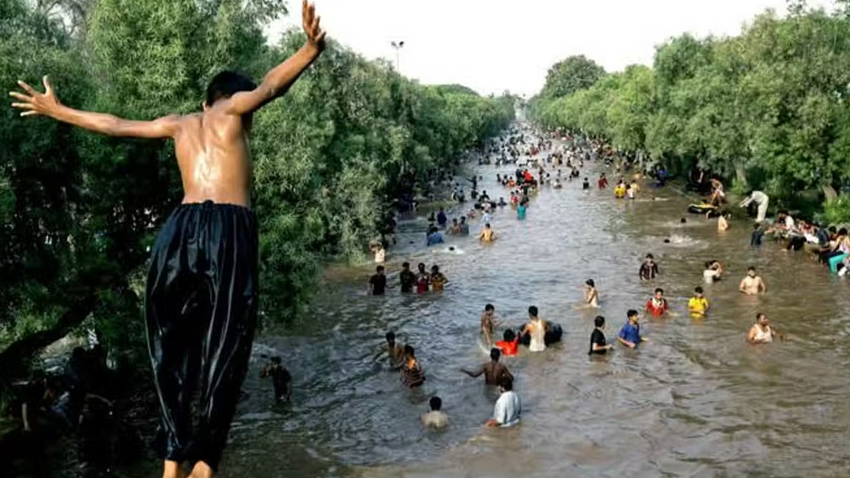
The restriction is not limited to the major dams in Islamabad.
Swimming has also been prohibited in Korang Nullah, Angori Road Nullah, Chattar Park Nullah, and water channels in Shahdara. Sunday-Mar Dam has also been included in the ban.
The order covers other streams and water channels falling within the Islamabad Capital Territory. People have been advised to stay away from these locations during the restriction period.
Why Islamabad imposed the restriction
The administration said swimming in these areas poses a serious threat to human life. It added that incidents linked to swimming and entering water channels had already been reported.
The authorities believe the risk becomes greater during periods of heavy rain because water levels can rise suddenly. Strong currents can also develop in dams, rivers and nullahs without much warning.
Recent weather conditions have increased these concerns. The Rawal Dam spillways were opened several times during the current monsoon after heavy rainfall caused the reservoir to reach high levels.
Rain can make water bodies more dangerous
Water levels in Islamabad’s dams and nullahs can change quickly during heavy rainfall. A person entering a water channel may face strong currents, sudden changes in water depth, or slippery conditions. The risk can also increase when water is released from dams.
In early September, officials warned people living along Korang Nullah to avoid fishing and bathing downstream when water was released from Rawal Dam. The administration has therefore decided to restrict swimming until the current period of heightened risk passes.
Recent incidents raise safety concerns
The ban also comes after several water-related incidents in the Islamabad-Rawalpindi area.
Earlier this month, a young man drowned in a rainwater drain in Islamabad, while another person died after falling into Leh Nullah in Rawalpindi. Rescue teams recovered both bodies during separate operations.
Such incidents have highlighted the dangers of entering rainwater drains and other waterways during the monsoon. Authorities have repeatedly advised citizens to avoid unnecessary contact with fast-moving water.
Flooding risk remains during rainy weather
The swimming ban comes as the region continues to face the risk of heavy rainfall and flooding. The Pakistan Meteorological Department has warned that heavy rain could cause urban flooding in low-lying areas of Islamabad and Rawalpindi.
Also Read: Govt extends deadline for Umrah vaccination card until Sept 25
The weather advisory also warned of flash floods in local streams and nullahs in Islamabad and Rawalpindi during the forecast period. These conditions can make normally calm water bodies dangerous within a short period.
Citizens urged to follow restrictions
The Islamabad administration has advised residents and visitors to strictly follow the swimming ban.
People should avoid entering dams, rivers, nullahs, streams, and other restricted water channels. Parents have also been urged to keep children away from these areas, particularly during and after heavy rainfall.
Visitors should not assume that a water body is safe simply because the water appears calm. The authorities have warned that legal action may be taken against people who violate the restrictions.
Section 144 gives authorities enforcement powers
The ban has been imposed under Section 144, a legal provision that allows authorities to restrict certain activities when there is a threat to public safety or public order. In this case, the administration is using the provision as a preventive measure.
The aim is to stop people from entering potentially dangerous water bodies rather than waiting for more accidents to occur. The restriction will remain in place for two months unless the authorities revise or withdraw the order earlier.
Safety remains the main priority
The administration said protecting human life was the main reason behind the restriction. The decision also reflects wider concerns over the impact of heavy rainfall on Islamabad’s water channels.
Recent flooding episodes have shown how quickly water levels can rise in the twin cities. Heavy rain has previously raised water levels in Leh Nullah and Rawal Dam, prompting emergency measures by local authorities.
With more rain possible, officials want to reduce unnecessary exposure to dangerous waterways.


