

Govt rejects IMF proposal of 18% tax on electric vehicles
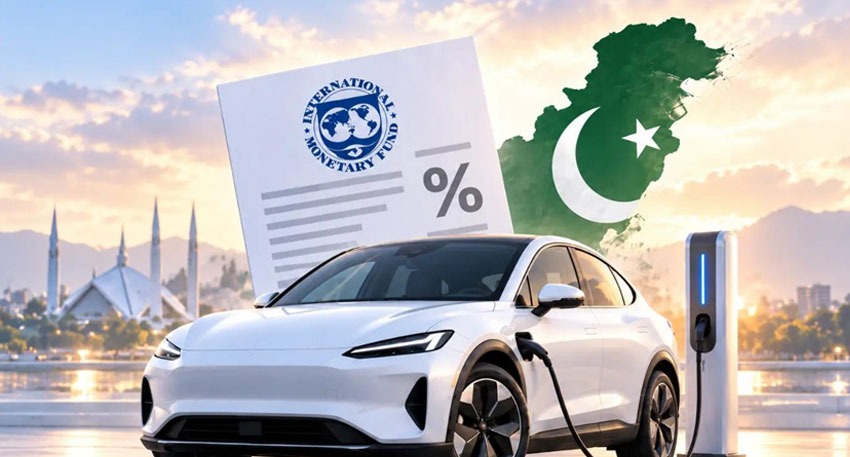
Government Plans Tax Relief for Electric Cars
The government has decided not to accept the International Monetary Fund’s proposal to impose an 18% sales tax on electric vehicles (EVs). Instead, it plans to introduce changes to vehicle taxes and customs duties under the proposed Auto Policy 2026-31.
The decision on electric vehicle tax Pakistan could affect people planning to buy imported electric cars. According to a report by ProPakistani, the government aims to encourage electric mobility through lower import duties and revised tax rates.
The proposed IMF 18% sales tax has been rejected by the government, while other tax changes are being considered under the new policy. However, the final impact on vehicle prices will depend on the approved measures and other import costs.
Import Duty Could Fall From 50% to 15%
Under the proposed Auto Policy 2026-31, customs duty on eligible imported electric cars priced at up to $75,000 would initially fall from 50% to 25%. A further reduction to 15% is planned by the fiscal year 2030-31.
The proposed electric car import duty cuts would be introduced in phases throughout the policy period rather than all at once.
Lower customs duties could make eligible imported electric cars more affordable. However, the actual reduction in retail prices will depend on import costs, other applicable taxes and how sellers adjust their prices.
The government hopes these changes will encourage more people to consider electric vehicles instead of relying entirely on petrol or diesel cars.
Read Also: Pakistan nominated to lead IMF and World Bank boards after 74 years
Different Taxes Planned for Hybrid Vehicles
The draft policy also proposes separate sales tax rates for different types of alternative-energy vehicles.
Range-extended electric vehicles could face a 6% sales tax, while plug-in hybrid vehicles are proposed to have a 9% sales tax.
Range-extended electric vehicles mainly use an electric motor, while another power source helps extend their driving range. Plug-in hybrids combine an electric motor with a conventional engine and can recharge their batteries using an external power source.
The proposed rates indicate that different vehicle categories may receive different tax treatment under the policy.
Shehbaz Sharif Approves Draft Auto Policy
Prime Minister Shehbaz Sharif approved the draft Auto Policy 2026-31 on Tuesday, according to the report.
The six-year framework aims to encourage electric mobility through changes in vehicle taxation, including lower customs duties on eligible imported electric cars.
However, the proposals must be implemented through the relevant policy and legal processes. Buyers should not assume that the proposed rates have already taken effect.


