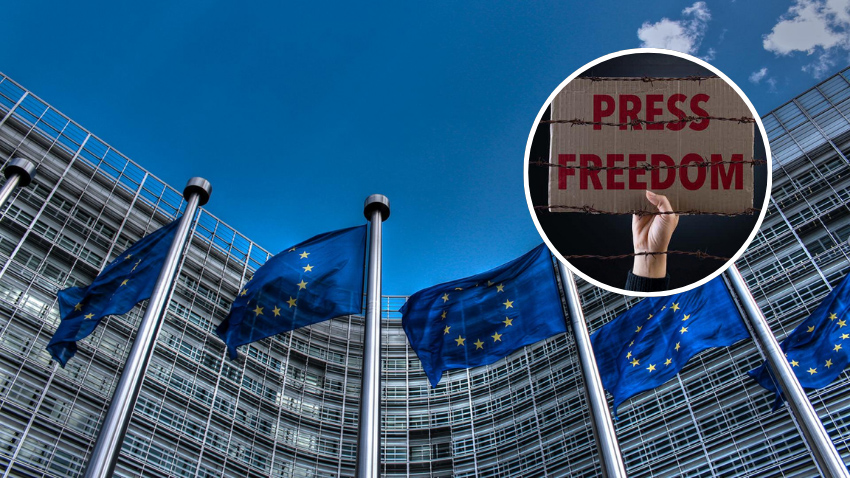
EU launches €2 million grants to support media freedom and journalist safety in Pakistan, with applications due April 21. Civil society groups are invited to submit concept notes by 7 pm on April 21.
The initiative aims to back projects that strengthen independent media professionalism, integrity, pluralism, and the safety of journalists. Support may include legal aid, psychosocial help, and measures to protect reporters in risky environments.
Digital rights are a major focus. Projects can address online and offline freedom of expression, support victims of cybercrimes or false accusations, and counter hate speech, polarization, and disinformation. Media literacy campaigns, including in remote areas, are encouraged.
Also Read: PM Shehbaz to update parliamentary leaders on Gulf crisis
The EU guidelines also highlight artificial intelligence risks and opportunities. Proposals can explore AI’s impact on media integrity and its potential to support responsible information sharing.
Youth participation is strongly encouraged, given Pakistan’s large young population active online. Gender-sensitive approaches are also required, addressing the vulnerabilities of women, girls, and transgender communities to online harassment and technology-facilitated violence.
All projects should follow a human rights-based approach emphasizing transparency, non-discrimination, and inclusive participation.
Also Read: No airspace closure in Pakistan, PAA calls reports ‘incorrect’
The total funding is nearly €2 million, with individual grants ranging from €400,000 to €650,000. Projects can run for 36 to 48 months. Applications must be submitted online through the EU PROSPECT system, with an information session for applicants on March 26 in Islamabad. At least one co-applicant must be based in Pakistan, including non-profit universities.
In simple terms, this is a big opportunity for civil society to strengthen media and digital rights in Pakistan. Protecting journalists and promoting safe, responsible information can help democracy grow. Youth involvement and gender sensitivity will make projects stronger and more impactful.