

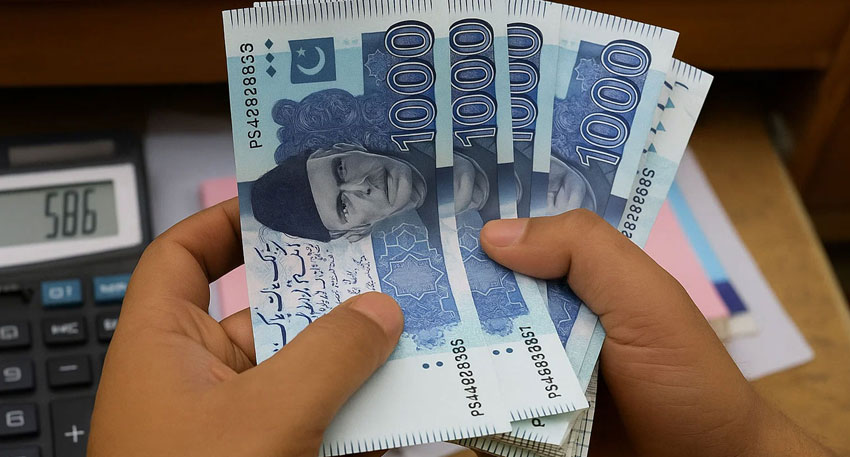
The government decision aims to help workers manage expenses smoothly before the break. In Islamabad, the government made an important decision due to three upcoming holidays across the country.
Authorities directed that salaries should be paid on time so employees can meet their needs without delay.
Read more: Best 15 new cars coming in 2026 - List of models, features and Pakistan prices
According to instructions issued by the Punjab government, salaries of government employees will be paid on April 30. This step has been taken because of the Labor Day holiday on May 1 so workers do not face inconvenience.
The Punjab Finance Department said that a series of holidays will begin after that. These include Saturday and Sunday on May 3 and May 4, giving employees a chance to enjoy a long break.
The official notification clearly stated that early salary payments are meant to improve the payroll system and provide convenience. Officials added that such steps are usually taken every year when consecutive public holidays occur.
It is important to note that the Government of Pakistan has already issued the official holiday schedule for 2026. This includes public, bank, and optional holidays, with May 1 marked as Labor Day.
Economic experts say this move will not only give relief to employees but also ensure smooth banking and financial transactions. Timely payments can help maintain stability in the system during holiday periods.
Read more: How Pakistani freelancers are earning billions online - Step-by-step guide
This decision looks simple but it helps many families plan their spending better. Early salaries also reduce pressure on banks and avoid last-minute rush. It shows the government is trying to manage both workers’ needs and system efficiency.


