
AJK elections delayed as dispute over 12 seats deepens
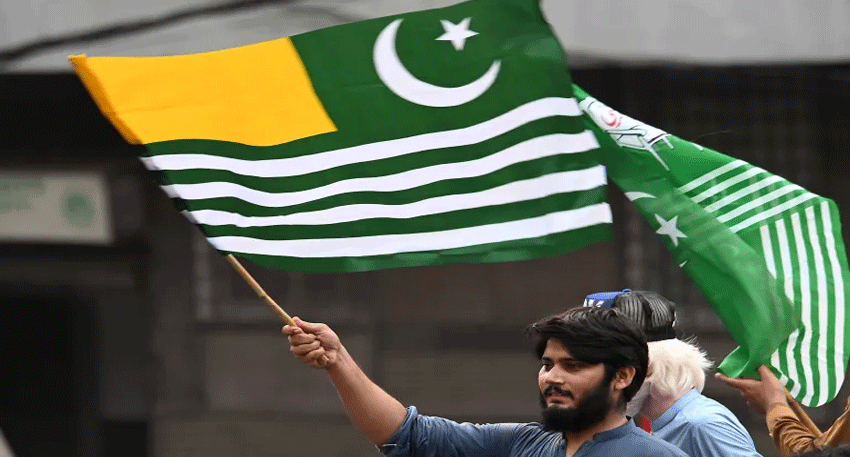
The upcoming elections in Azad Jammu and Kashmir have gained extra importance because of continuing political tensions and protests across the territory. The 45-member AJK Legislative Assembly election was initially scheduled for July 27. However, voting has now been split across three dates due to the situation in the region.
Mirpur division is scheduled to vote as planned, while Muzaffarabad division and the 12 seats reserved for Kashmiri refugees will vote on August 2. Poonch division, where tensions have remained particularly high, will go to the polls on August 10.
Why the 12 refugee seats matter
The 12 seats reserved for Kashmiri refugees have become one of the most important issues in the current political debate. The Jammu Kashmir Joint Awami Action Committee, which has led the recent protest movement, has demanded that these seats be abolished.
The group initially focused on issues such as subsidised flour and lower electricity costs. Its demands later expanded to 38 points, with changes to the refugee-seat system becoming a major demand.
Supporters of the demand argue that reserved seats directly affect political representation and the balance of power within the AJK Assembly. The issue has therefore moved beyond a single election demand and become part of a wider discussion about representation, political authority and the functioning of the local democratic system.
Protests add pressure before AJK polls
The election preparations are taking place after weeks of serious unrest across AJK.
Since early June, clashes between protesters and security forces have resulted in deaths and injuries, while sit-ins and road blockades disrupted normal life in several areas. Banks were also closed for an extended period, while mobile and internet services remained suspended in many parts of the territory.
Poonch division experienced particularly severe disruption. The area was reportedly cut off for weeks, affecting supplies of flour and other essential goods. The protests have placed additional pressure on the authorities as they prepare for polling in different divisions.
Also Read: Khawaja Asif rejects India's remarks on Kashmir, calls it a disputed territory
JAAC movement and political demands
The Joint Awami Action Committee was banned by the AJK government on June 5, shortly before a planned demonstration.
Since then, members of its leadership have been arrested, gone underground or continued their activities from protest camps, including those in Rawalakot. The movement’s expanding list of demands shows that the unrest is no longer focused only on prices and public services.
The demand to abolish the 12 refugee seats has become particularly significant because those seats can influence the composition of the Legislative Assembly and, consequently, the formation of governments.