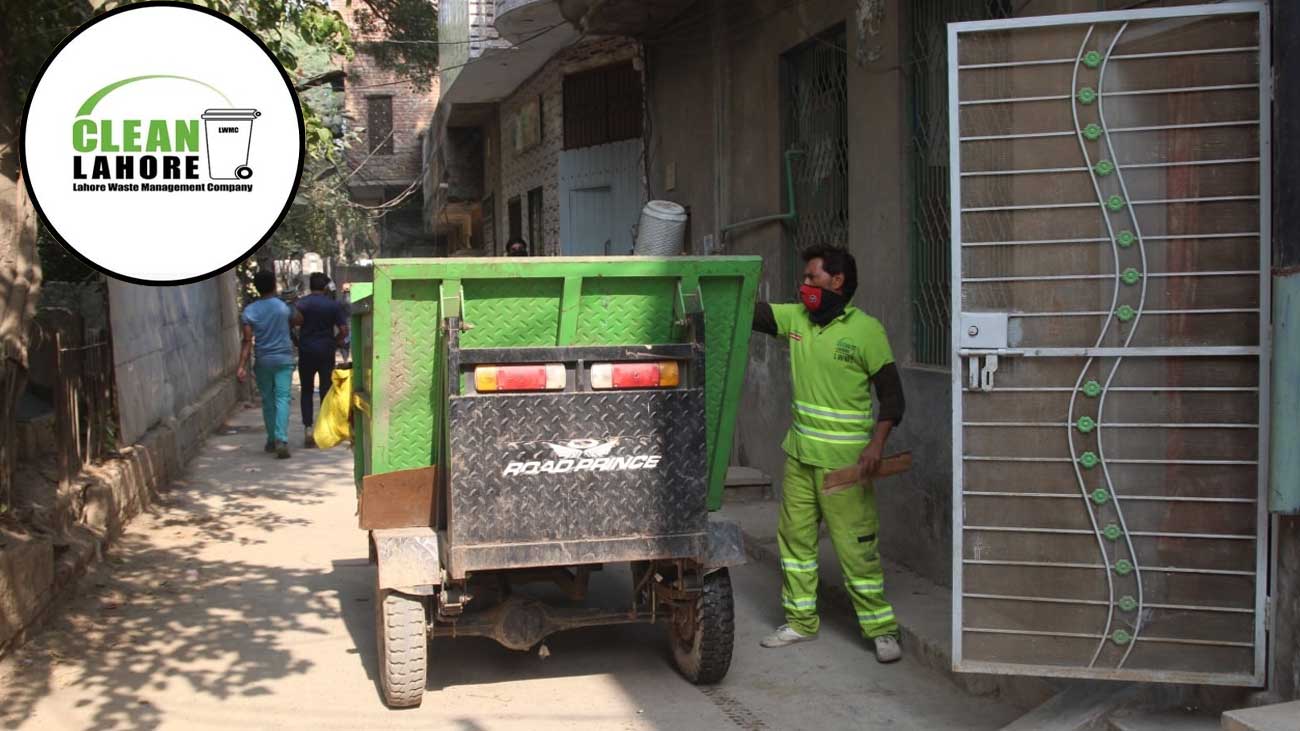
The Punjab government has finalized a new system to collect garbage and cleanliness charges under the Suthra Punjab Program. The aim is to improve waste management and keep cities and villages clean.
Under the new plan, the Suthra Punjab cleanliness bill will be collected by the Excise Department. Citizens will initially pay monthly bills for six months. From June 2026, the system will shift to annual billing. Monthly collection will start in January 2026, while yearly collection will begin from June 2026.
Homes built on three marla will be exempt from the garbage tax. Residential houses from five marla up to two kanal will pay between Rs300 and Rs2,000. For commercial properties in urban areas, the fixed rate will range from Rs500 to Rs2,000.
In rural areas, domestic users will pay a cleanliness bill between Rs200 and Rs400. Rural commercial users will be charged between Rs300 and Rs1,000.
At the same time, the Punjab government has completed preparations for a strict crackdown against littering across the province. A zero tolerance policy has been announced against throwing or burning garbage in public places. From January 1, violators will face heavy fines and possible jail terms.
Read more: Chicken, eggs, beef prices jump as weekly inflation rises
Under the new rules, burning garbage can result in a fine of up to Rs500,000 and up to three years in prison. Burning tyres will carry even harsher punishment, with fines up to Rs500,000 and imprisonment of up to seven years.
Different fines have also been set for spreading waste. Throwing garbage outside a house, shop, or factory will result in a fine of Rs25,000. Dumping waste into street or neighbourhood drains will lead to a Rs10,000 fine. Disposing of animal waste or remains will attract a heavy fine of Rs50,000.
The government wants cleaner cities and villages. New taxes aim to fund waste services. Heavy fines are meant to change public behavior. Enforcement will decide the success.