Pakistan’s weekly inflation, measured through the Sensitive Price Indicator (SPI), increased by 0.24 percent for the combined consumption group, according to the Pakistan Bureau of Statistics. The SPI rose to 336.53 points from 335.73 points, while yearly inflation stood at 3.75 percent.
The SPI tracks prices of 51 essential items across 17 urban centres for different income groups. It reflects short-term changes that directly affect daily household spending.
For the lowest income group up to Rs17,732, inflation rose by 0.07 percent. Other groups also saw increases, with inflation rising by 0.14 percent for Rs17,733–22,888, 0.18 percent for Rs22,889–29,517, 0.24 percent for Rs29,518–44,175, and 0.28 percent for those earning above Rs44,175.
During the week, prices of 17 items increased, 14 items became cheaper, while 20 items remained unchanged.
Read more: Pakistan allows Binance for the ‘tokenisation’ of $2 billion assets
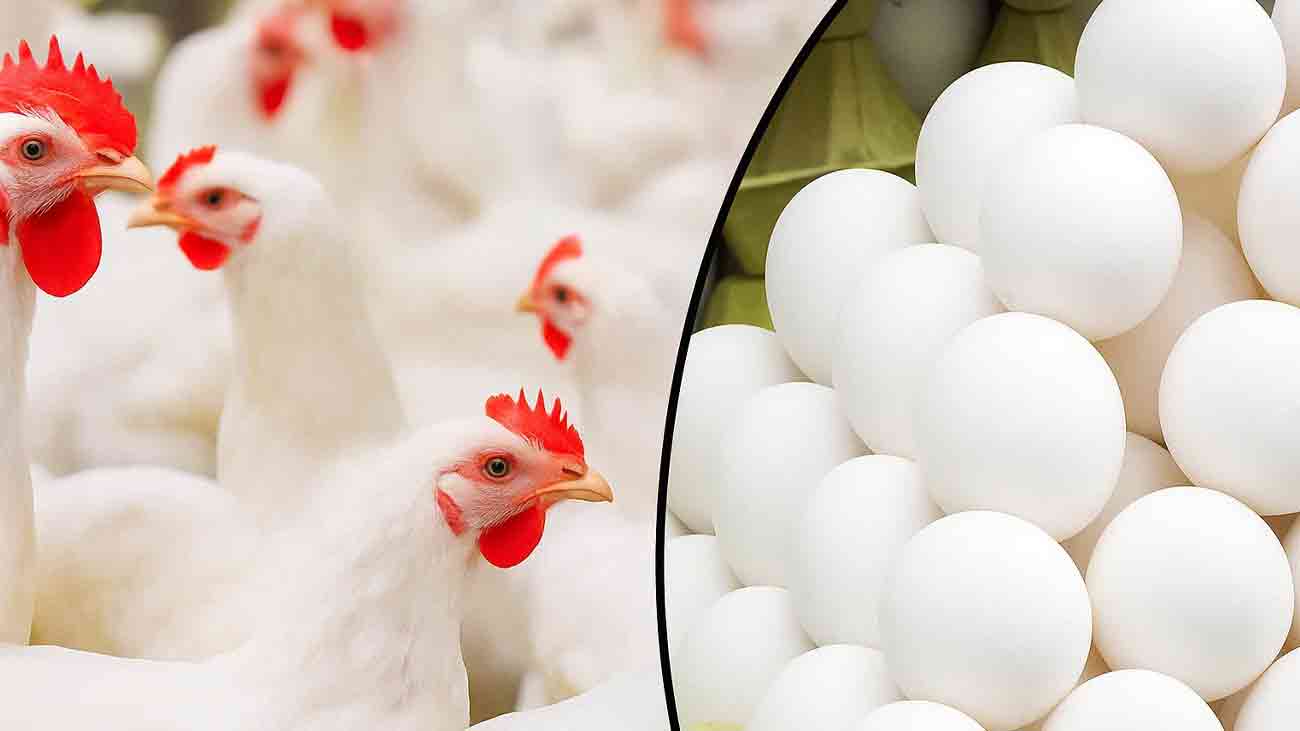
Items that became costlier included chicken by 11.11 percent, eggs by 2.88 percent, chilies powder by 3.08 percent, beef by 0.23 percent, shirting by 1.64 percent, and firewood by 0.86 percent. Small increases were also seen in cooking oil 5 litre, pulse moong, mustard oil, and energy savers.
On the other hand, relief came from falling prices of tomatoes, potatoes, diesel, sugar, onions, garlic, gur, and LPG.
On a yearly basis, major increases were seen in gas charges for Q1, sugar, wheat flour, chicken, beef, eggs, firewood, and powdered milk. Big yearly declines were noted in tomatoes, potatoes, garlic, onions, pulse gram, electricity charges for Q1, and LPG.
Food items are again pushing inflation up. Chicken and eggs hurt household budgets the most. Relief items are seasonal and may not last. Overall pressure on consumers remains.