
Mohsin Naqvi warns Pakistan system must change for the youth
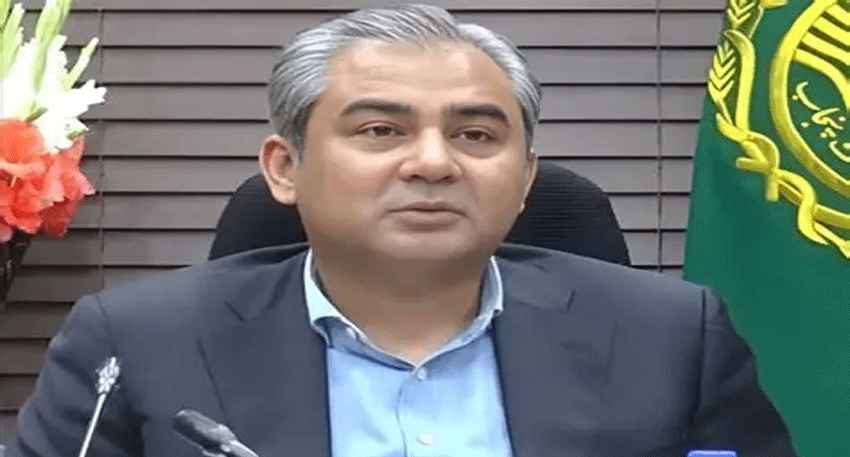
Interior Minister Mohsin Naqvi has called for major changes to Pakistan’s political system, saying the country cannot continue dealing with the same problems through the existing structure.
Speaking at a ceremony, Naqvi said he normally avoids making political speeches but felt it was necessary to discuss the country’s long-running problems.
He said many people had spoken about Pakistan’s difficulties and offered possible solutions.
However, he also pointed out that some people responsible for the country reaching its current situation were present in the same gathering.
The minister argued that Pakistan’s current system has failed to deliver meaningful solutions despite being in place for several decades.
Naqvi says the current system has failed
Naqvi said Pakistan could still face the same problems a decade from now if fundamental changes are not made.
“You will be sitting here 10 years from now with the same problems. Whether you accept it or not, the system we are living in has failed,” he said.
He stressed that his criticism was not an argument against democracy.
Instead, he said there are different forms of democratic systems and Pakistan should consider whether its existing model is producing the results people need.
Naqvi used agriculture as an example of what he considers a weakness in the current system.
“We are an agricultural country yet we import wheat, but we still insist on running this same system,” he said.
His comments suggest that the minister believes Pakistan needs structural reforms rather than temporary measures that only deal with problems after they appear.
‘Firefighting’ cannot solve Pakistan’s problems
Naqvi said some of the progress being highlighted in the country amounts only to “firefighting.”
He argued that authorities often respond to problems after they become serious instead of fixing the underlying causes.
“Until we fix the fundamentals of the country within the spirit of democracy, the problems will remain,” he said.
He also pointed to the people who operate and financially support the political system.
“Those who run this political system and those who fund it are also sitting in this hall,” he said.
The remarks placed political financing at the centre of his criticism.
Naqvi said some individuals provide Rs50 crore, Rs10 crore or Rs5 crore before elections.
“These funders are running this system out of compulsion in one way or another,” he said.
His comments raise questions about how election funding can influence political decisions and the wider functioning of government.
Basic facilities remain a major concern
The interior minister said ordinary citizens are still struggling to receive basic public services.
“There is nothing wrong with everything in this system, but the common man needs basic facilities, and we are unable to provide them.”
His comments focused on the gap between political discussions and the everyday needs of ordinary people.
For many citizens, access to basic services can be more important than political debates or short-term government announcements.
Naqvi suggested that meaningful reform should therefore be measured by whether people receive better services.
He also discussed the justice system and acknowledged that considerable work has already been done.
However, he questioned whether the current system provides justice close enough to where people live.
“Is it not the right of a common man to get justice near his home?” he asked.
The question reflects wider concerns about the time, travel and cost involved when ordinary citizens have to visit courts far from their homes.
Naqvi highlights Pakistan’s young population
The minister also focused heavily on Pakistan’s youth, saying small financial handouts or technology alone cannot solve their problems.
He argued that young people primarily want a system where they can find jobs based on merit.
“Youth just want the system to be fixed and jobs to be available through merit,” he said.
Naqvi also made a striking comment about what could happen if young Pakistanis unite.
“If the youth unite, they can turn everything upside down,” he said.
He argued that young people could potentially earn $2,000 to $4,000 a month if the country provides the right economic and employment environment.
The remarks highlight the importance of skills, employment opportunities, and merit-based recruitment in addressing Pakistan’s growing youth population.
Instead of relying only on cash assistance or distributing devices such as tablets, Naqvi said the system itself needs to create better opportunities.
Also Read: Mushtaq Ahmad freed after alleged detention near AJK border
Rising debt adds to pressure
Naqvi also criticised Pakistan’s continued reliance on borrowing.
He said the federal budget is prepared with a deficit every year, meaning government spending exceeds available revenue.
“We don’t fix things but we keep taking loans. The country’s debt keeps increasing no matter what we do,” he said.
The comments highlight one of Pakistan’s long-standing economic challenges.
A government that repeatedly borrows to cover budget gaps can face increasing debt-servicing costs and reduced financial space for development.
Naqvi’s argument is that structural changes are needed to address the reasons behind repeated deficits instead of continuously relying on new loans.
Call for political parties to work together
Naqvi called on all political parties to sit together and find solutions to the country’s problems.
He suggested that political differences should not prevent discussions on major national issues.
The minister also argued that Pakistan needs new administrative units and provinces.
According to him, creating additional administrative structures could bring government services closer to people and make public institutions easier to access.
The proposal is likely to generate political debate because changes to provincial structures can involve major constitutional, administrative and political questions.
However, Naqvi presented the idea as part of a broader effort to make government more accessible to ordinary citizens.
Praise for Prime Minister Shehbaz Sharif
Naqvi also praised Prime Minister Shehbaz Sharif for his working schedule.
He said the prime minister works around 12 to 14 hours a day and suggested that even working longer hours would not solve the deeper problems.
“Even if he works 18 hours, we are only doing firefighting and nothing else,” Naqvi said.
His point was that individual effort cannot replace structural reform.
The comments suggest that Pakistan’s challenges require changes to systems and institutions rather than simply asking political leaders to work longer hours.