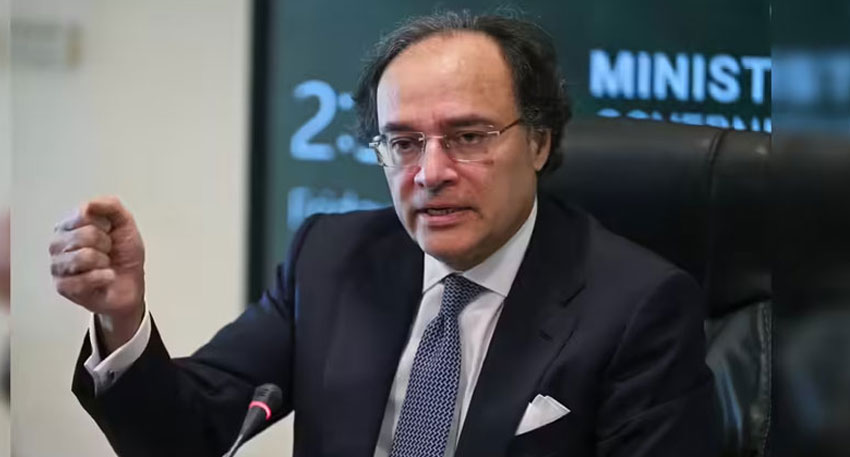
Finance Minister Muhammad Aurangzeb warned that global uncertainty due to the US-Israel and Iran war could affect oil supplies, but clarified that Pakistan is not facing an emergency situation.
While briefing the Senate Standing Committee on Finance, he advised fuel conservation as a precaution. He clearly stated, “We are not going for rationing of fuel as there is no fuel shortage in the country, but things could become serious if the war drags on,” in response to a question by committee chairman Saleem Mandviwala.
The committee was informed that Pakistan currently has petrol and diesel stocks for 28 days. Crude oil reserves are available for 10 days, while LPG and LNG stocks can last for 15 days.
However, the minister revealed that some cargo shipments are stuck in Qatar. To manage this shortfall, production from local gas fields is being increased. The finance ministry will now hold daily meetings with relevant departments to monitor fuel availability and international oil prices.
In a key development, Pakistan has formally requested Saudi Arabia to provide an alternative oil supply route through Yanbu after the closure of the Strait of Hormuz. This move aims to protect the country’s fuel supply chain.
Read more: Solar policy restrictions and 10% tax raise create problems for users
Meanwhile, Jamil Ahmad, Governor of the State Bank of Pakistan, warned that global oil prices could touch $100 per barrel, which may increase pressure on Pakistan’s external sector.
The ongoing conflict between the United States, Israel and Iran has already disturbed global energy markets. Any long conflict could push prices higher and create supply challenges for importing countries like Pakistan.
Right now, there is no shortage. But the situation depends on how long the war continues. If oil reaches $100, pressure on the economy will rise. Careful planning can prevent panic in the market.