As high-level US–Iran talks unfold in Islamabad, the appearance of Asim Munir has quietly drawn attention, with analysts linking his attire choices to subtle diplomatic signaling.
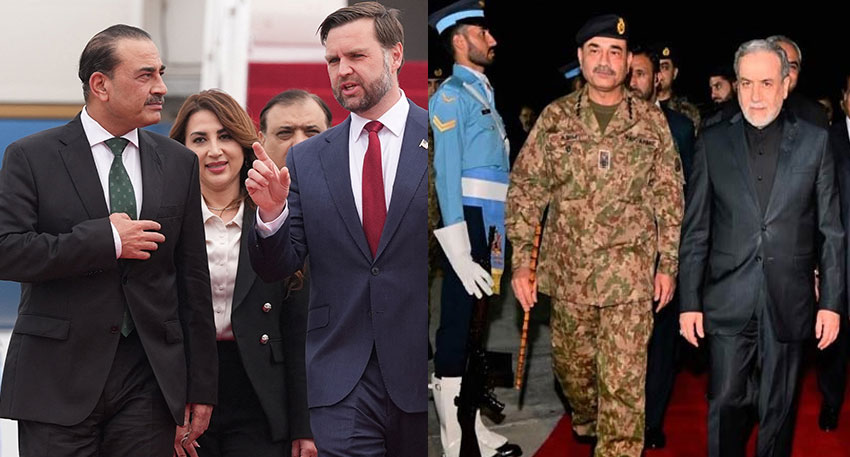
Observers noted that the army chief appeared in full military uniform while receiving the Iranian delegation, while opting for civilian attire during interactions linked to US representatives. Experts say this contrast is not incidental but reflects a broader practice in civil–military communication.
According to diplomatic analysts, wearing a military uniform typically signals formal security engagement, institutional authority, and focus on defence-related matters. In contrast, civilian attire often conveys a softer, more diplomatic posture, suggesting openness and political-level engagement.
In the context of the ongoing talks, Munir’s uniform during meetings with Iranian officials is being interpreted as emphasis on strategic and security coordination. Meanwhile, the shift to civilian attire during interactions involving US political figures is seen as an effort to frame discussions within a broader diplomatic and political context.
Also Read: Inside the agenda of US Iran talks in Islamabad
Experts say such visual cues are carefully calibrated, especially when multiple audiences — including domestic stakeholders and international observers — are closely watching. The choice of attire can project strength, reassurance, or flexibility without the need for formal statements.
The ongoing negotiations, hosted by Pakistan, involve sensitive issues ranging from nuclear policy to regional stability.
Analysts believe these symbolic gestures highlight Pakistan’s attempt to balance its role as a security partner and a diplomatic facilitator in one of the region’s most critical engagements.