

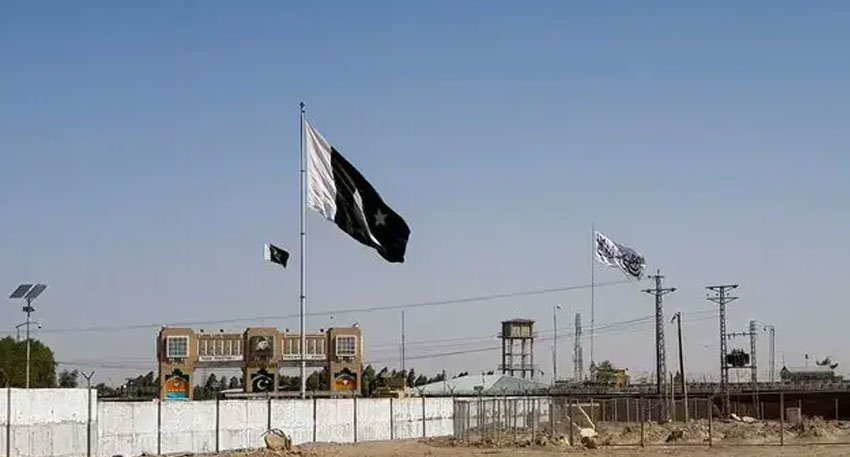
A recent report by the Brussels-based International Crisis Group (ICG) has highlighted that Pakistan is the most severely impacted country following the Taliban’s 2021 takeover of Afghanistan. The think tank warns that while a temporary ceasefire has eased tensions slightly, Islamabad may carry out cross-border strikes again if militant attacks persist.
The report points to deteriorating relations between Pakistan and Afghanistan, largely due to the Taliban’s reluctance to take action against the Tehreek-e-Taliban Pakistan (TTP). The TTP, a banned militant organization, has been blamed for numerous deadly attacks in Pakistan. UN monitors suggest that the TTP receives support from the Afghan Taliban, a claim Kabul rejects, insisting that the violence in Pakistan is being misrepresented as external interference.
Also Read: Winter vacation extension claim sparks confusion across Punjab
The year 2025 saw a surge in militant attacks in Pakistan, particularly in the border provinces of Khyber Pakhtunkhwa and Balochistan, resulting in significant casualties among security forces. Islamabad attributes these attacks not only to the TTP but also to Baloch insurgent groups, some of which it alleges receive backing from India. In response, Pakistan has carried out several cross-border airstrikes, including strikes near Kabul, targeting top TTP leaders. Afghanistan, in turn, retaliated against Pakistani military positions.
The ICG cautions that any renewed violence could escalate into a broader confrontation if militant sanctuaries in Afghanistan are left unchecked. The Afghanistan-Pakistan conflict has been listed as one of the top global hotspots to watch in 2026, reflecting the fragile peace and ongoing security risks.
Also Read: Britain battered as storm gorrity unleashes chaos
Despite being militarily weaker, the Taliban claims it possesses the ability to retaliate, which could further escalate tensions. Experts warn that without stronger counterterrorism cooperation, the region may face heightened instability in the months ahead.


