The US-Israel strike on Iran has intensified regional tensions, prompting Pakistan airspace alert measures, route diversions, and strict surveillance near Iran and Afghanistan.
Following the reported joint military operation by the United States and Israel targeting Tehran, Pakistan has directed its air traffic controllers to closely monitor national airspace. Authorities have ordered enhanced surveillance, particularly over regions bordering Iran and Afghanistan.
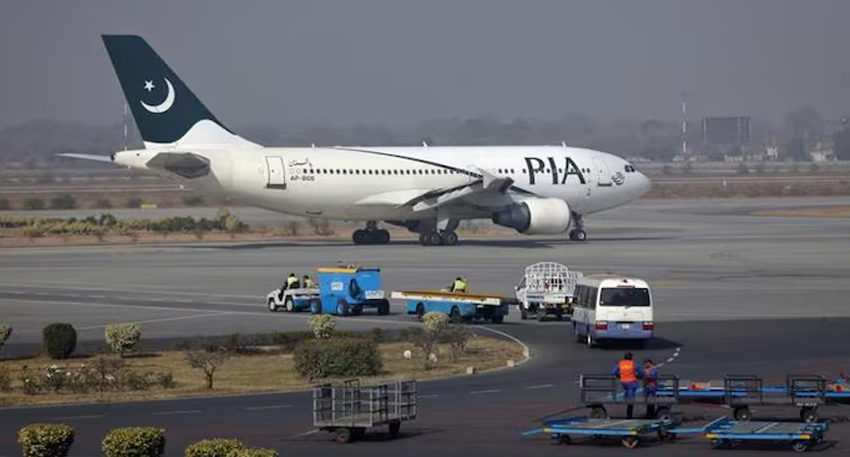
According to reports, Pakistani airlines have been instructed to avoid Iranian airspace as a precautionary step amid rising Middle East tensions. The decision aims to ensure flight safety and prevent exposure to potential regional security risks.
The strikes reportedly triggered emergency sirens and loud explosions in Tehran, escalating fears of broader instability in the region.
US-Israel Military Operation Escalates Regional Conflict
Israeli defense officials stated that the operation was part of a coordinated effort with the United States. The US Air Force participated in the strike, described by officials as a preemptive action against immediate threats from Iran.
US President Donald Trump confirmed that American forces launched a large-scale operation, citing longstanding tensions between Washington and Tehran.
Israeli officials said planning for the strikes had been underway for months, with final decisions on timing and scope taken weeks prior to execution.
Also Read: Airlines suspend flights amid Middle East airspace closures
How the Conflict Will Affect Pakistan
1. Aviation & Flight Operations
Pakistan’s aviation sector could face operational disruptions if regional airspace restrictions expand. Avoiding Iranian airspace may result in longer flight routes, increased fuel costs, and possible ticket price adjustments. International carriers may reroute flights over Pakistan, increasing air traffic volume.
2. Security & Border Monitoring
Heightened surveillance along the Iran-Pakistan and Afghanistan borders indicates Islamabad’s concerns about potential spillover effects. Security agencies are expected to remain on high alert to prevent cross-border instability.
3. Economic & Trade Concerns
Rising geopolitical tensions can disrupt regional trade corridors linking South Asia with the Middle East. Any escalation may affect energy imports, remittances, and commercial aviation revenues.
4. Diplomatic Balancing Act
Pakistan may face diplomatic challenges in maintaining balanced relations with the United States, Iran, and regional allies while advocating de-escalation.
Regional Aviation on Edge
With Middle East airspace tensions mounting, airlines worldwide are reassessing routes and risk exposure. Pakistan’s proactive airspace monitoring reflects broader concerns about aviation safety and regional stability as the US-Israel-Iran conflict unfolds.
Authorities have advised passengers to check flight schedules before departure and stay updated with official airline announcements.