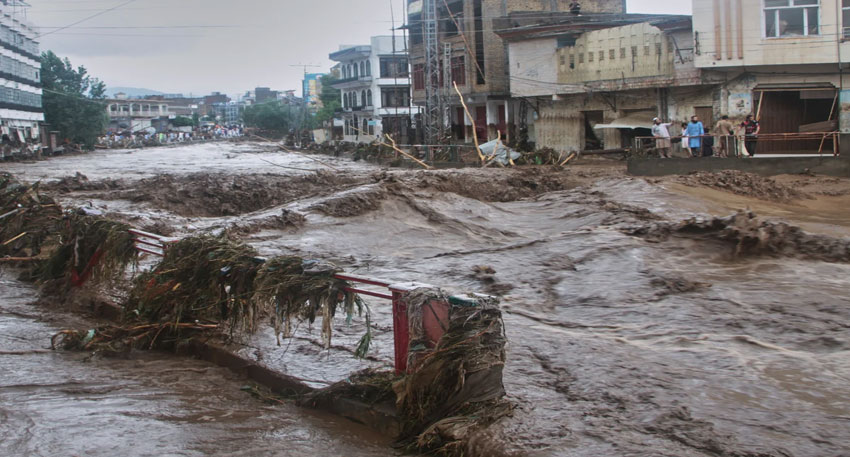
The National Emergencies Operation Centre has warned that rising temperatures and early heatwaves could speed up glacier melting. This may trigger Glacial Lake Outburst Flood incidents and flash floods in vulnerable valleys of Gilgit Baltistan and Upper Khyber Pakhtunkhwa.
In its advisory, the centre said temperature rise, changing weather patterns and possible early heatwaves are major factors behind the increased risk. Seasonal projections show that higher temperatures from March to June 2026 could accelerate snow and glacier melt, raising the danger of sudden water surges.
Such events can damage homes, roads, bridges, farms and communication networks. They may also cause loss of life in at risk communities. Areas identified as vulnerable include Ahmadabad, Faizabad, Mujawer Village, Ishkoman Valley, Gulkin Valley, Gulmit Valley, Bubur Village and Handis Valley in Gilgit Baltistan. In Khyber Pakhtunkhwa, risky areas include Reshun, Kumrat, Yarkhun Valley, Lasht, Istach, Dizq and Brep.
The National Disaster Management Authority has instructed provincial and local authorities to review emergency plans and improve early warning systems. Officials are also asked to prepare evacuation arrangements in advance to reduce damage.
Read more: When is Eidul Fitr in Pakistan? PMD reveals possible date
Residents living in high risk areas are advised to remain alert and follow official guidance. People should avoid unnecessary movement near glacial streams and pay attention to warnings issued by local authorities.
Authorities encourage citizens to stay updated through official platforms, media channels and the “Pak NDMA Disaster Alert” mobile application for timely information. The disaster management body says it is focusing on proactive measures to reduce losses during the high risk period.
Experts are warning because rising heat can melt glaciers fast. If water builds up in lakes and breaks suddenly, floods can happen. Government agencies are preparing plans to protect people. Staying informed and following safety instructions can reduce danger.