

Major LHC ruling: Physical frailty can now become a separate ground for bail
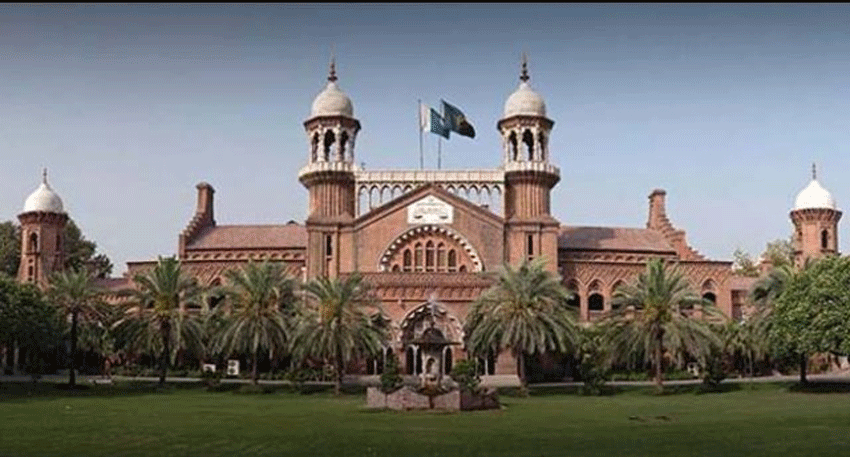
The Lahore High Court has granted post-arrest bail to a doctor suffering from Parkinson’s disease and made an important ruling about physical weakness in jail.
Justice Amjad Rafiq, in an 11-page reported judgment, said physical frailty can be an independent legal ground for bail under Section 497 of the Code of Criminal Procedure.
The court made it clear that physical frailty is not limited to a serious illness. A prisoner’s overall physical condition can also be considered when deciding whether bail should be granted.
The court said that if a jail medical report confirms that a prisoner is physically weak, bail may be granted without a lengthy debate over how serious the illness is.
The judgment also stressed that human dignity, equality and proportionality should be kept in mind when courts decide bail applications.
The ruling came while hearing the post-arrest bail petition of Dr Iftikhar Ahmed.
Dr Iftikhar Ahmed was arrested in a case registered at Sabzazar Police Station in Lahore. He was accused of medical negligence during a child’s circumcision procedure.
According to the court, a medical report from the jail confirmed that Dr Iftikhar suffers from Parkinson’s disease, a progressive neurological disorder.
The report said he depends on other people for walking, speaking and carrying out normal daily activities.
The court noted that Dr Iftikhar was receiving medical treatment in jail. However, it said treatment alone was not enough reason to keep him behind bars.
The court explained that physical frailty can include conditions that make it difficult for a prisoner to tolerate the normal hardships of imprisonment.
It also pointed to problems that can exist in prisons, including poor food, unhygienic conditions, overcrowding and mental stress.
According to the judgment, such conditions can make physical weakness worse and cause unnecessary suffering for vulnerable prisoners.
The court said justice requires special care for people who are physically weak or disabled when their continued imprisonment could cause unnecessary physical hardship.
Also Read: LHC confirms death sentences in Lahore motorway gang rape case
The judgment also referred to legal decisions from Pakistan, the United Kingdom, India, the United States and Europe.
The court noted that physical frailty and old age are widely considered important factors in bail decisions in different legal systems.
The LHC further ruled that when a jail medical report confirms a prisoner’s illness or physical weakness, the court does not always need to debate the exact nature or seriousness of the condition before considering bail.
If such a medical report is not available, the court can independently examine the accused person’s physical condition.
After allowing the petition, the LHC ordered Dr Iftikhar Ahmed’s release on post-arrest bail against surety bonds of Rs1,000,000.
The court also placed several conditions on his release.
He was directed not to influence evidence or threaten witnesses. He cannot leave the court’s jurisdiction without permission and must surrender his passport.


