
ML-1 railway project could displace 15,000 Karachi, Hyderabad, Lahore families
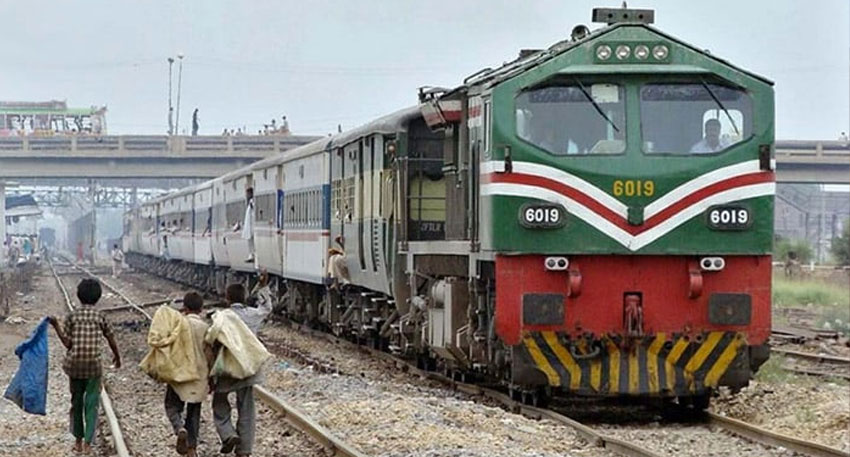
Research by the Karachi Urban Lab found that many families living along the Karachi-Lahore rail corridor could be affected by land clearance. The findings were based on satellite images and field checks in communities located near the railway line.
Thousands could lose their homes
The research estimates that more than 2,400 people in the surveyed areas alone could have to leave their homes if a 25-foot clearance is kept on both sides of the railway track. Many affected residents are working-class people, including drivers, domestic workers, salesmen, carpenters, masons and daily-wage labourers.
The possible displacement has raised questions about whether adequate compensation and relocation plans are being prepared for affected families. Losing their homes could also mean losing access to jobs, schools, markets and long-established community networks.
Major railway upgrade planned
The ML-1 project aims to modernise Pakistan’s main railway route from Karachi to Peshawar. The 1,726-kilometre railway corridor links major cities and industrial areas and handles about 80% of Pakistan Railways’ passenger traffic and 90% of its freight movement.
The planned improvements include new and upgraded tracks, faster train operations, modern signalling and telecommunications systems and rehabilitation of bridges. The project also includes fencing and replacing level crossings with safer alternatives.
Karachi-Rohri section moves forward
The Karachi-Rohri section, covering about 480 kilometres, is being developed as the first phase of the project. The government has secured or is processing around $2 billion in financing from the Asian Development Bank for the section.
The broader ML-1 project under CPEC was previously estimated at around $6.8 billion. The Karachi-Rohri upgrade is expected to increase rail capacity and reduce travel times once completed.
Resettlement remains a key challenge
The Asian Development Bank has classified the project as having high environmental and social risks. Its safeguards include issues such as land acquisition, restrictions on land use and proper engagement with affected communities.
The government has repeatedly called ML-1 a strategic national project, while Planning Minister Ahsan Iqbal said in July that the first phase would proceed with ADB financing. Construction is expected to begin with the Rohri-Karachi section.
ML-1 could bring major improvements to Pakistan’s railway system and support trade, travel and economic activity. But the project could create serious problems for low-income families if relocation and compensation are not handled properly.
The biggest challenge will be balancing development with the rights of people living along the railway corridor. Faster and safer trains will bring benefits, but affected communities should not have to carry an unfair share of the cost.
Also read: Wait till 2060 for cheaper electricity as PM Shehbaz okays 34-year energy plan
Also read: PM Shehbaz opens Google Pakistan office as $30b IT vision gains support