

Govt plans to give Rs80,000 E-bike subsidy and Rs400,000 for electric rickshaws
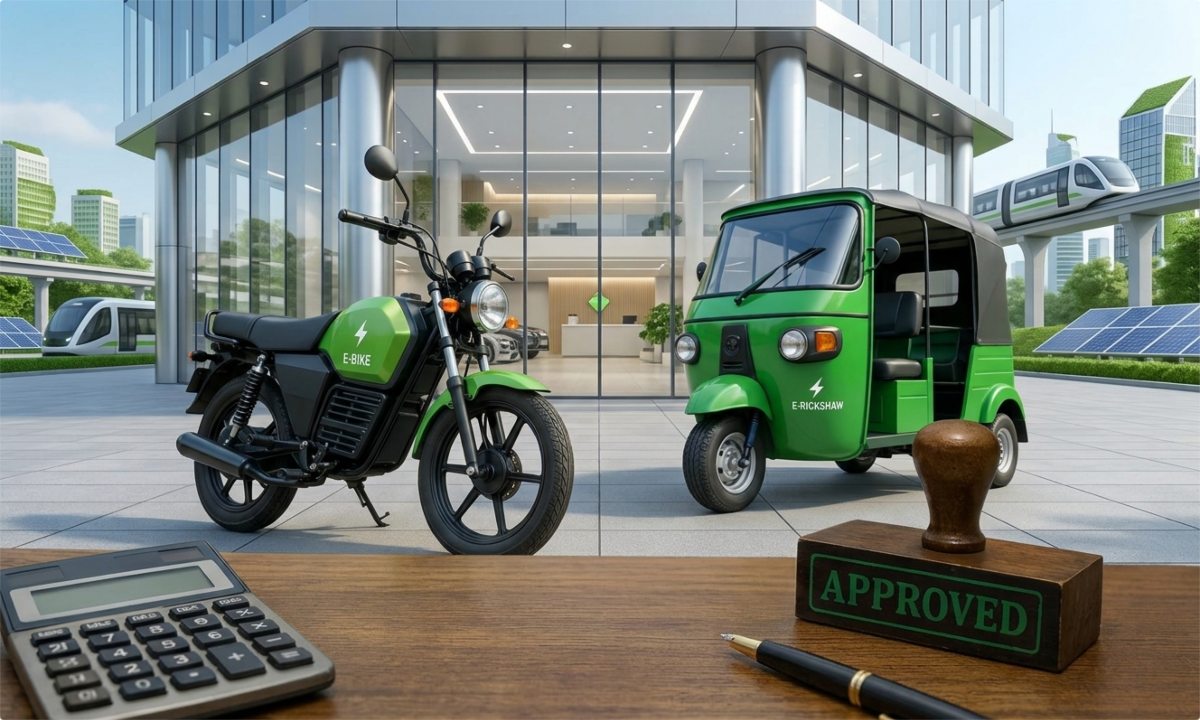
The electric bike subsidy Pakistan initiative aims to make electric transport more affordable, reduce fuel imports and encourage local vehicle manufacturing.
However, the proposed amounts should not be considered guaranteed payments for every buyer.
Details of the measures were presented during Question Hour in the National Assembly. The government has yet to clarify all eligibility requirements and application procedures for the proposed assistance.
Who Can Benefit From the Proposed Subsidies?
Under the reported plan, eligible electric two-wheeler buyers could receive an Rs80,000 subsidy, while eligible electric three-wheeler buyers could qualify for Rs400,000.
The Rs80,000 e-bike subsidy could help reduce the initial purchase cost for people who rely on motorcycles for daily travel. It may also encourage more people to consider electric bikes as an alternative to petrol-powered vehicles.
Similarly, the Rs400,000 electric rickshaw subsidy could help drivers and small business owners switch to electric three-wheelers and potentially reduce their fuel expenses.
The electric bike subsidy Pakistan programme is part of a broader effort to expand the use of electric vehicles across the country. Buyers should wait for official guidelines before making decisions based on the proposed financial support.
NEV Policy 2025–30 Focuses on Cleaner Transport
The government’s NEV Policy 2025–30 aims to increase electric vehicle adoption, reduce dependence on imported fuel and support domestic manufacturing.
The NEV Policy 2025–30 also seeks to encourage local production of electric vehicles and their components, potentially creating opportunities for businesses and workers.
Read Also: PM orders to set up national livestock vaccine plant
At the launch of the policy in June 2025, the government announced an initial allocation of Rs9 billion for the 2025–26 fiscal year to support electric bikes and rickshaws.
The programme was expected to facilitate 116,053 electric bikes and 3,171 electric rickshaws through a system for applications, verification and subsidy payments.
3,000 Charging Stations Planned by 2030
The government plans to establish around 3,000 public electric vehicle charging stations across Pakistan by 2030.
It also intends to develop 40 fast-charging stations along motorways and selected sections of the N-5 National Highway.
The plan includes conventional charging points and battery-swapping facilities for electric two-wheelers and three-wheelers. Private businesses may also participate, while existing petrol pumps could provide charging services.
The electric bike subsidy Pakistan initiative may attract more buyers, but convenient charging facilities will be important for making electric transport practical.
Government Targets 30% Electric Vehicle Sales
Under the NEV Policy 2025–30, the government aims to make electric vehicles account for 30% of all new vehicle sales by 2030.
The policy also aims to lower fuel imports and transport-related emissions. Government projections at its launch estimated potential annual fuel savings of 2.07 billion litres and a reduction of 4.5 million tonnes in carbon emissions, depending on implementation.


