

Why you feel tired after waking up: The brain-body link explained
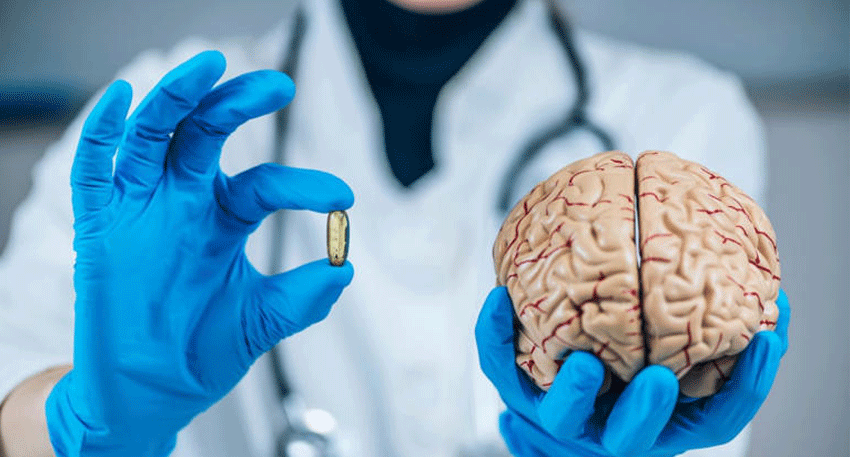
Have you ever felt worried about being seriously ill, only to feel much better after a doctor says, “nothing is wrong”? The sudden relief is more than a change in mood.
Similarly, a painful breakup can make a person feel physically weak and drained. Yet, a comforting phone call or supportive message can quickly bring back some energy and emotional strength.
These experiences highlight the powerful mind-body link. When emotions change, the brain can send signals that influence heart rate, muscles, hormones and other body functions.
The brain constantly communicates with the body. When a person feels anxious or threatened, it can activate the body’s stress response.
The heart may beat faster, muscles can become tense and stress hormones may be released. If this state continues for a long time, it can contribute to exhaustion and affect the body’s ability to cope with stress.
Why you feel tired after waking up
If you regularly open your eyes in the morning already feeling exhausted, your mental state may be one factor worth considering. Worry, pressure and poor sleep can leave the brain in a state of tension even before the day starts.
This does not mean every case of morning fatigue is caused by the mind. Physical health, sleep quality, daily habits and other factors can also contribute to tiredness.
Still, the connection between mental and physical states is becoming increasingly important in understanding how people experience pain, stress and energy.
When the mind feels calmer, the body may also respond differently. Breathing can become steadier, muscles may relax and the body can become better prepared to handle everyday challenges.
This two-way relationship means the brain affects the body, while physical experiences can also influence emotions and thoughts.
Can the mind really change the body?
One of the best-known examples of this connection is the placebo effect. In some situations, people can experience real changes after receiving a treatment that contains no active medicine.
Research has reported placebo-related improvements in areas such as pain, anxiety and some symptoms associated with Parkinson’s disease. These responses are not simply a person pretending to feel better.
Expectations can influence brain activity and trigger changes in the body’s neurochemical systems. However, the placebo effect is not a universal treatment and cannot replace proper medical care.
What it does show is that expectations and beliefs can influence how the brain processes certain physical experiences. The body also has natural systems that help it manage stress and recover from everyday challenges.
Simple ways to support a calmer mind
Two simple mental practices may help people develop a healthier relationship with their thoughts. They are not instant solutions, but regular practice can encourage calmer thinking and better emotional control.
The first is positive self-talk. The words people repeatedly say to themselves can influence how they respond to difficult situations.
Instead of using unrealistic statements, experts generally recommend simple and believable encouragement. Phrases such as “It’s okay, I’m doing my best” or “I am doing well enough” can provide a moment of reassurance.
Repeated over time, supportive self-talk can become a familiar inner voice. The goal is not to deny problems but to respond to them without adding unnecessary pressure.
Also Read:SKMCH&RC career opportunities open doors for doctors and nurses
How positive visualization may help
Another technique is positive visualization, also known as mental rehearsal. It involves creating a clear mental picture of successfully handling a situation before it happens.
Athletes have long used mental rehearsal to imagine movements and successful performances. Similar techniques can also be applied to everyday situations.
A person might imagine calmly speaking during an important meeting, walking peacefully in the morning sunlight or ending the day feeling relaxed.
Such mental images can affect breathing, muscle tension and the body’s stress response. The effect may be subtle, but repeated practice can help a person approach certain situations with greater calm.
Small changes can influence daily life
The larger lesson is that thoughts and physical reactions are closely connected. A stressful thought can make the body tense, while a calmer thought may help reduce that tension.
This does not mean people can simply think away serious illnesses or difficult life circumstances. Medical symptoms should always be taken seriously, particularly when tiredness is severe, persistent or unexplained.
But mental habits can still play an important role in everyday wellbeing. Learning to treat yourself with patience rather than constant criticism may reduce some of the pressure created by negative thinking.
The idea is reflected in the familiar saying attributed to former UK Prime Minister Margaret Thatcher: “Thoughts become words, words become actions, actions become habits, habits become character, and character becomes destiny.”


