

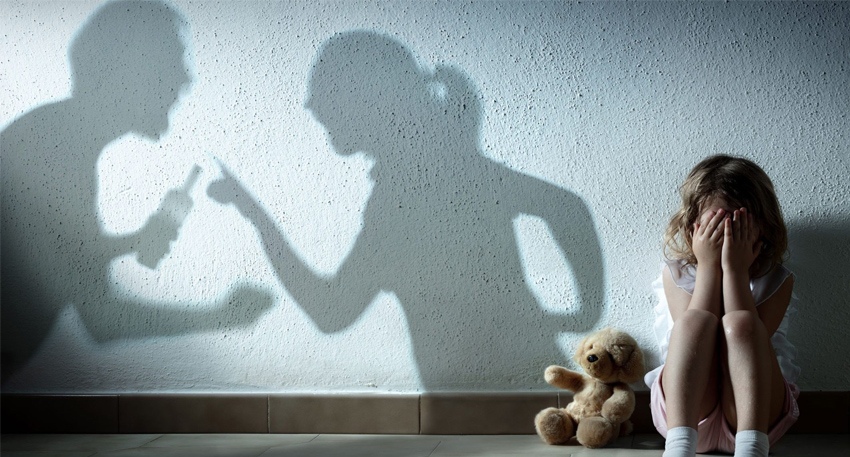
Fatima, a 21-year-old student from Karachi, recalls a childhood filled with fear as she watched her mother face abuse. Though not directly harmed, she says the experience changed her personality and left her constantly anxious. “Loud voices still make me uneasy,” she shared.
Experts say such experiences are common. According to World Health Organization and UNICEF, children who witness violence are at higher risk of anxiety, depression, and long-term mental health issues. These effects often continue into adulthood, shaping behavior, relationships, and emotional stability.
Despite the scale of the issue, Pakistan lacks proper data on how many children live in violent households. There are also limited systems in schools or communities to identify and support affected children.
Social worker Rida Rehman says fear and social stigma stop many families from seeking help. “Silence may seem easier, but it causes long-term harm,” she explained, urging people to speak out.
Also Read: Australia appoints first female Army Chief in historic move
Clinical psychologist Hareem Naqvi highlighted that children exposed to repeated violence often develop anxiety, aggression, or emotional withdrawal. She stressed that even witnessing abuse is a form of trauma, not just direct physical harm.
Support services do exist through organizations like Edhi Foundation and Sahil, but access remains limited, especially outside major cities.
Experts warn that without early support, these children may struggle with relationships, health issues, and even repeat cycles of violence later in life.
Addressing domestic violence, they say, must include recognizing children as victims too, not just silent witnesses.


